SEO & AI Weekly Roundup + Linus's Take (Nov 21, 2023)
This article was originally published in Chinese on 2023-11-21 and has been translated into English. Read the Chinese version.
We share a lot of daily news internally within the #JindouyunSEO team, so I’ve decided to compile it and share it with fellow SEO and cross-border e-commerce professionals. In this roundup you’ll find:
- Changes to how search results are displayed during Black Friday / Cyber Monday
- Observations on Google’s algorithm updates
- GPTs & SEO
- Highlights from well-known SEO experts
Shopping-Related Changes in Google Search Results
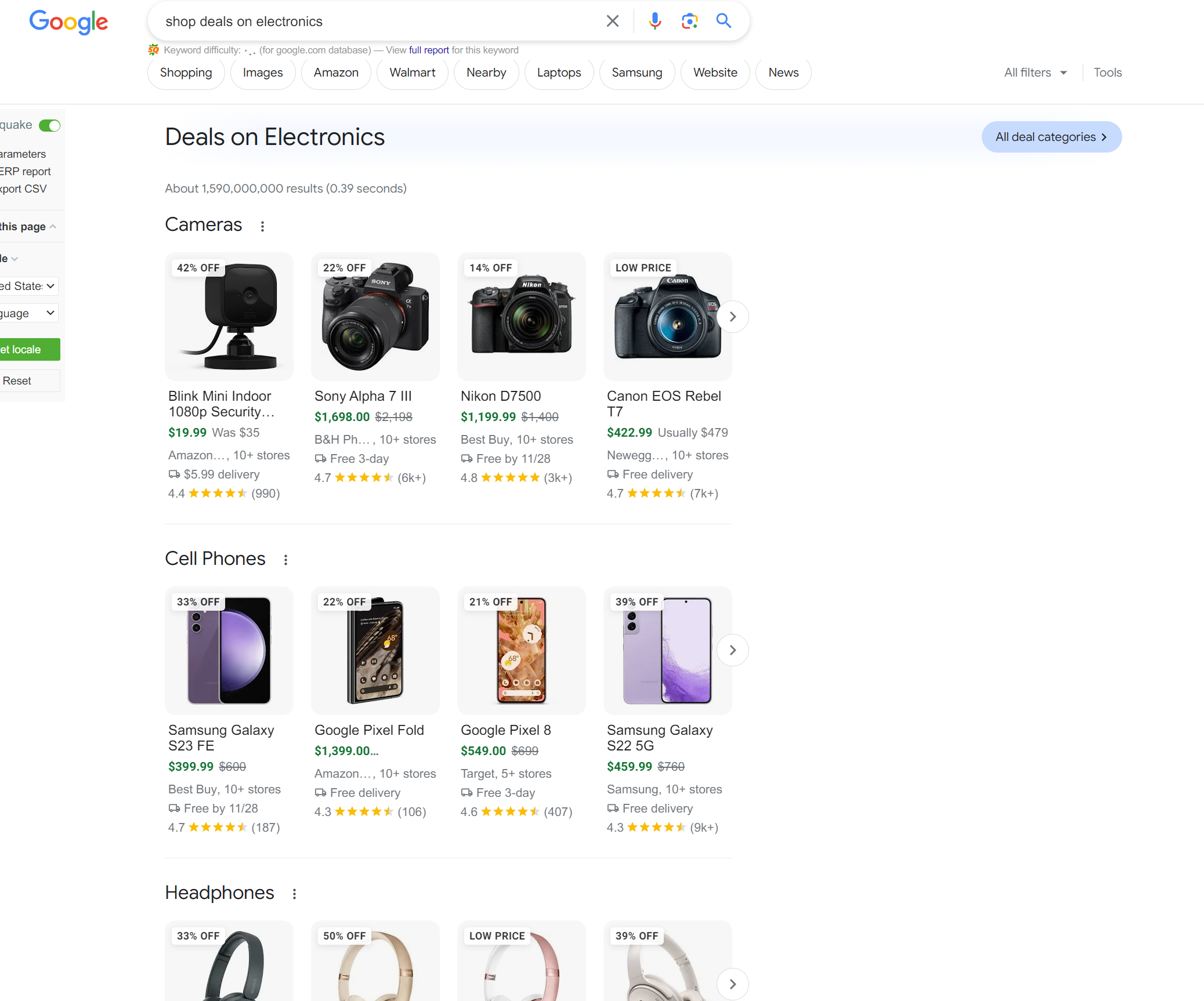
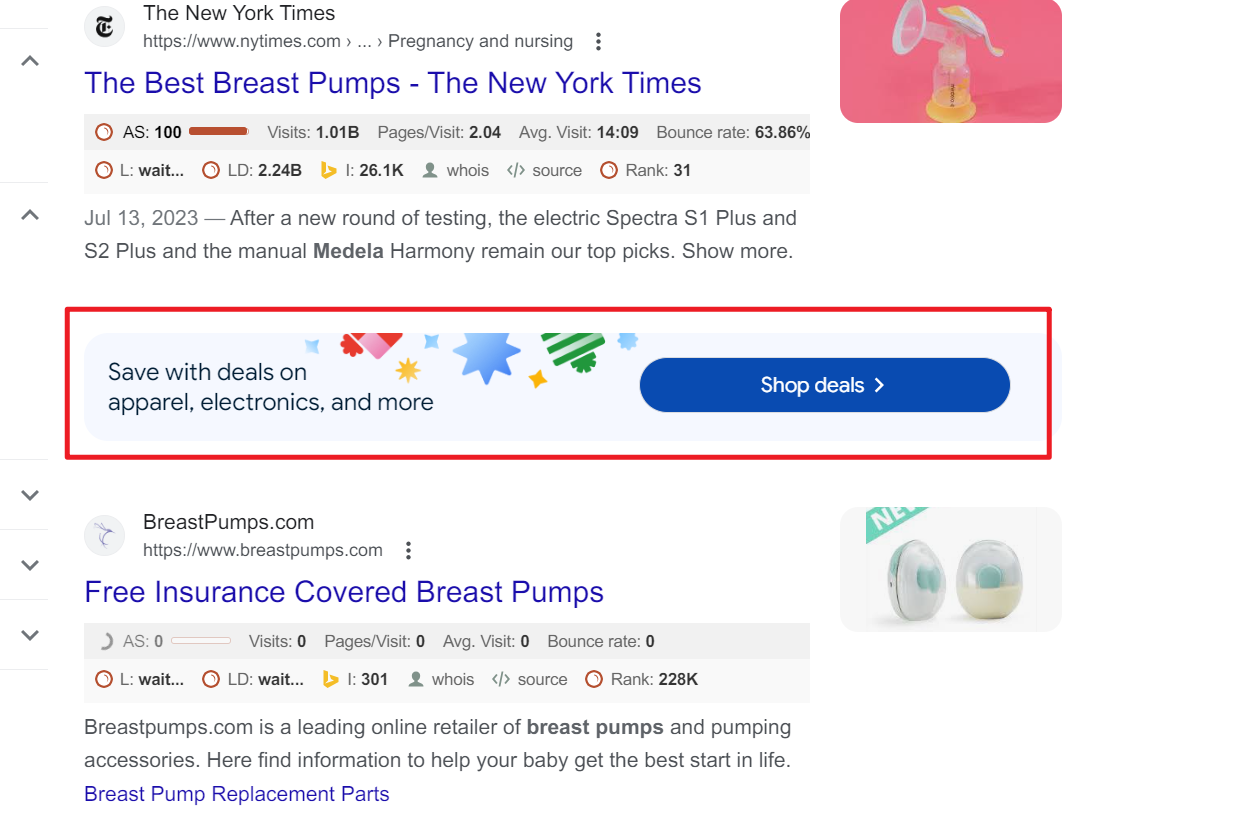
Google has started showing “shop deals.” With the year-end shopping season approaching, Google seems to be making one move after another, even though historically there usually haven’t been Google updates at the end of the year. My personal guess is that this has a lot to do with GMC (Google Merchant Center) and ads.
Chrome can now help you find discounts: it shows recent browsing activity and available promotions, and surfaces coupon codes on shopping sites. Edge has had this for a while, but Chrome seems a bit easier to use.
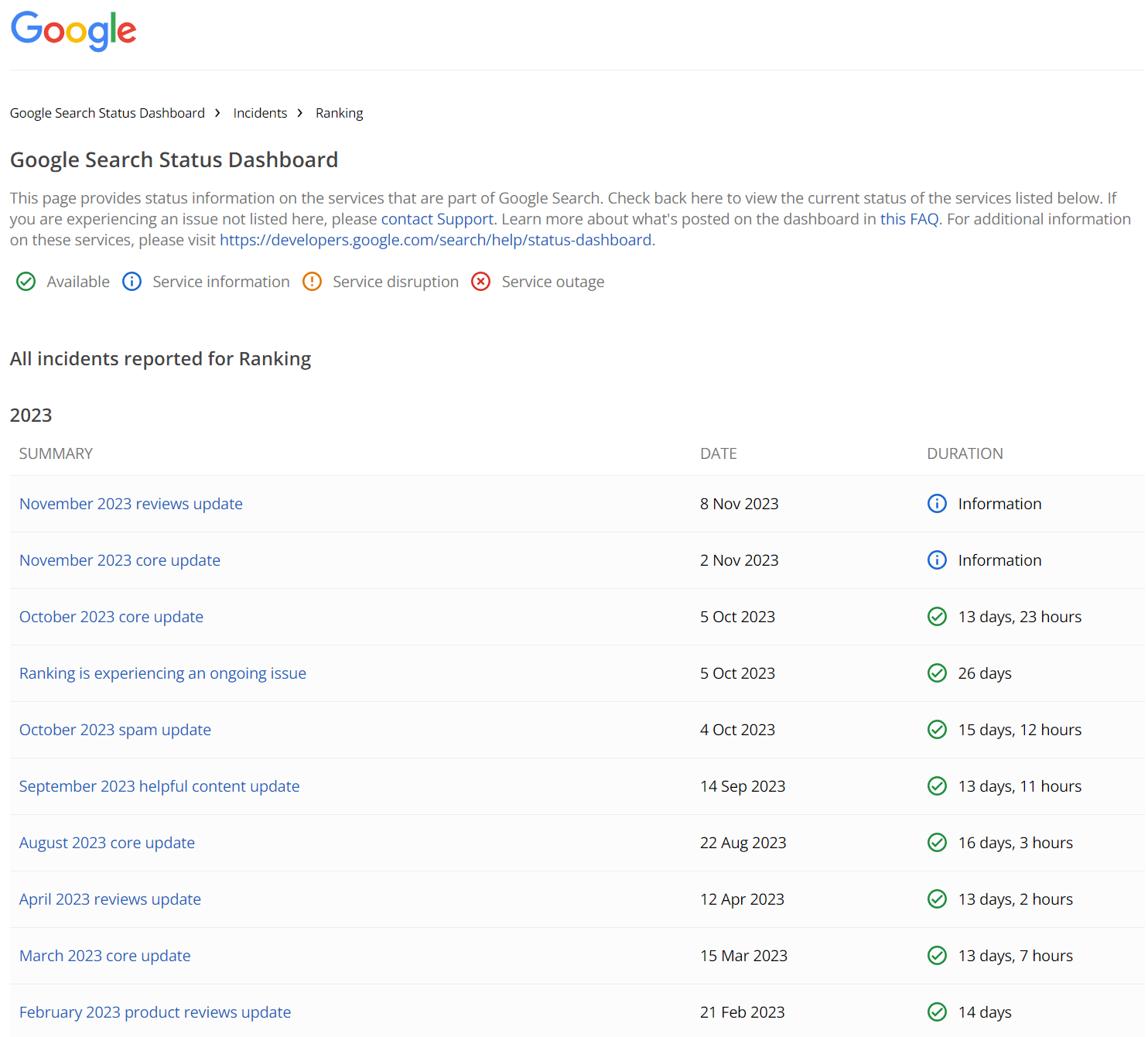
Google’s Two November Updates Are Still Rolling Out — Are E-commerce Sites the Winners?
This month’s two major updates are still rolling out. This year has had more Google core updates than any other, so in theory there shouldn’t be another one in December.
- The November 2 core update has been going for 18 days (the longest core update on record).
- The November 8 reviews update has been going for 12 days. It’s the end of the year, so everyone should keep an eye on reviews; so far, reports say it only targets English-language reviews. Google has previously published guidance on high-quality review content, recommending that it be original, transparent, up to date, informative, and cover both pros and cons. This update may put even more weight on those signals.
Once this core update wraps up, I’ll probably put together a summary of 2023’s updates and look at what happened in each.
Algoroo shows how volatile rankings were throughout 2023:
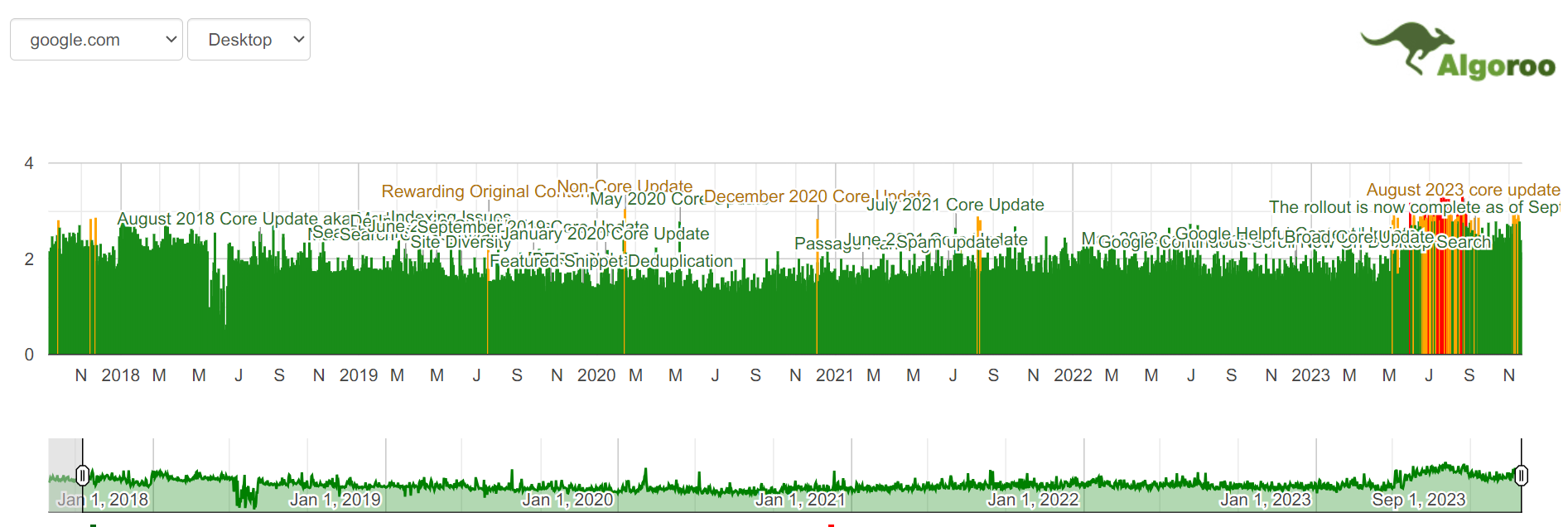
According to @lilyaynyc’s observations, a range of small and mid-sized e-commerce sites and brands saw gains from this core update, and that matches what we’ve seen in #JindouyunSEO’s own real-world testing.

How do you create helpful content? Here’s advice from Marie Haynes:
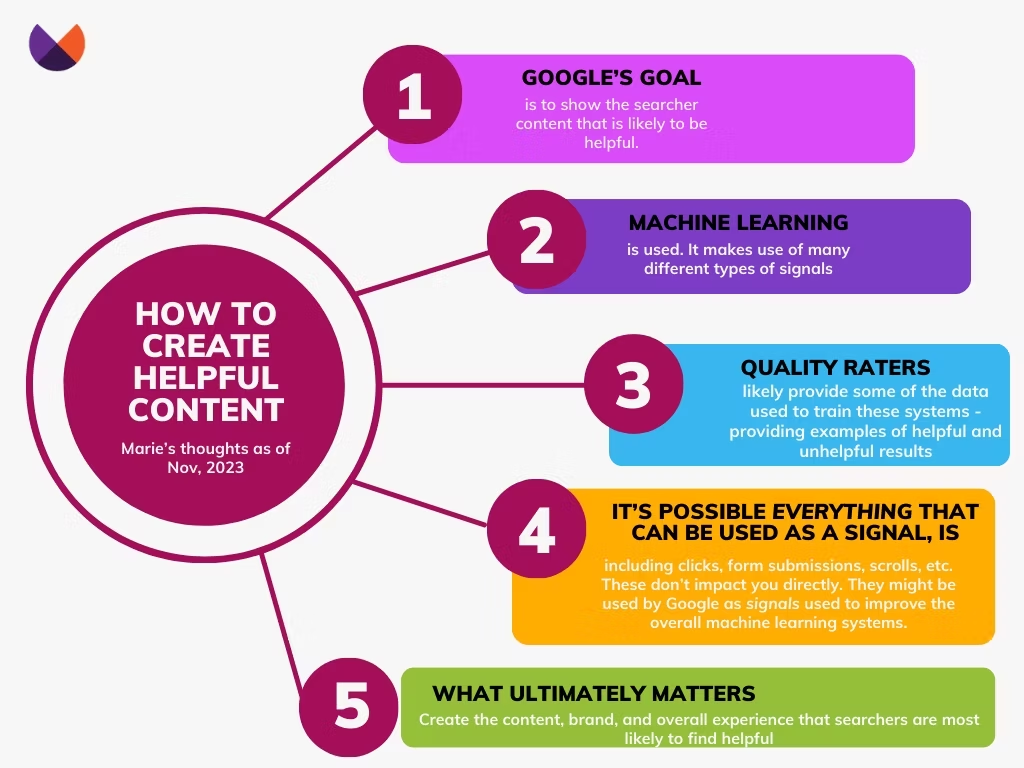
Google’s latest blog post also says it will show more first-person perspective results:

https://blog.google/products/search/google-search-november-2023-update/
GPTs & SEO
Since GPTs launched, plenty of people have published their own SEO-related GPTs, which is great. You can easily find a whole bunch of them with a site: search:
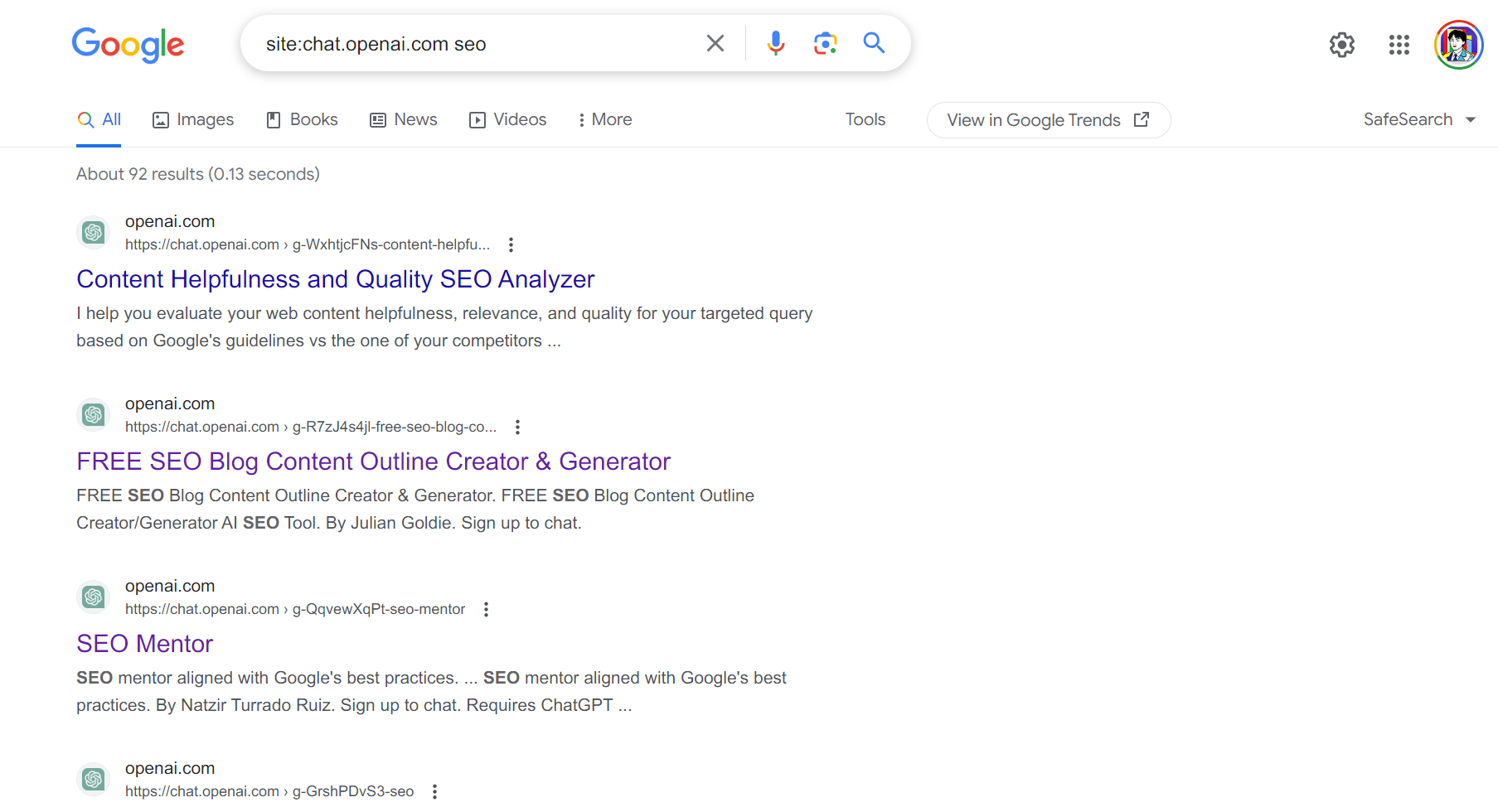
I watched the full OpenAI DevDay keynote. The grand vision behind GPTs is to let people who can’t code program in natural language, which is fantastic! In my own testing, though, a lot of them turned out to be just simple prompt tuning, although some are genuinely instructive.
How do I know which ones are instructive? Because today’s innocent GPTs will very easily reveal their creators’ prompts if you use the right prompt (security is still pretty poor right now — if you want the “hacker” prompt, add me as a friend via the contact at the end of this post; I’ll share it on my WeChat Moments this week). There’s a clear difference between GPTs built by people who know how to write prompts and those who don’t. I’ve also built several SEO GPTs for my own use. They’re usable, but honestly fairly ordinary:
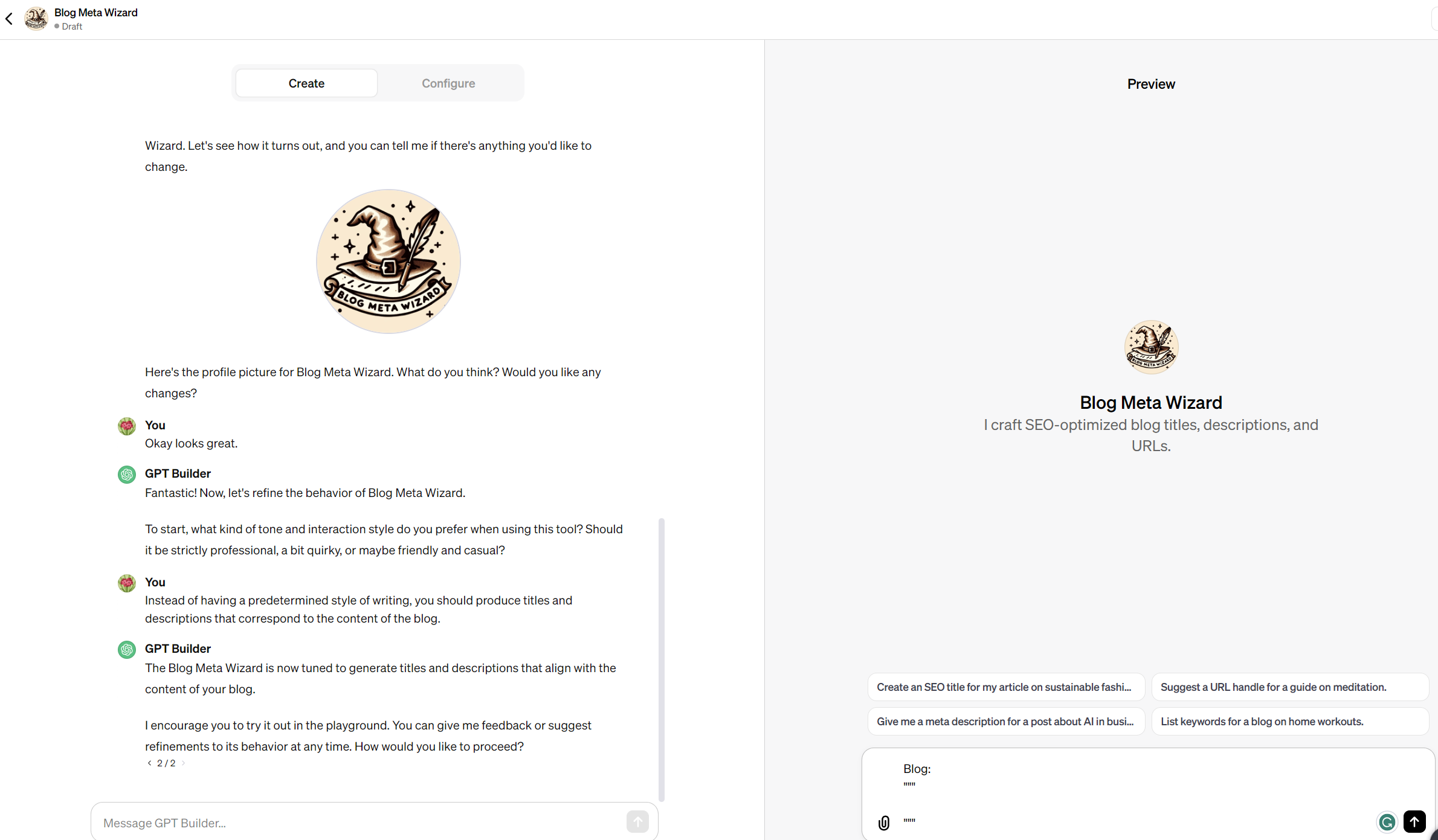
The core of a GPT lies in its knowledge base and APIs. Once I’ve fine-tuned mine and the security issues are fixed, I may release them for everyone to try.
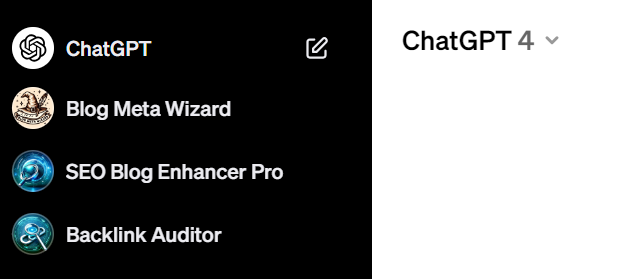
I’ve screened other people’s SEO GPTs, and these are all decent. Note that some GPTs contain promotional content, so use your own judgment:
- SEO Mentor https://chat.openai.com/g/g-QqvewXqPt-seo-mentor
- Web Quality Analyst GPT https://chat.openai.com/g/g-CE8weAzU3-web-quality-analyst
- SEO outline creator
https://chat.openai.com/g/g-R7zJ4s4jl-seo-outline-creator
GSC Redesign
GSC’s Page Experience reporting is being revamped. Google: “Starting December 1, 2023, we’re retiring the Mobile Usability report in Search Console, the Mobile-Friendly Test tool, and the Mobile-Friendly Test API.” I recommend reading Google’s own FAQs on this — they’re very useful.

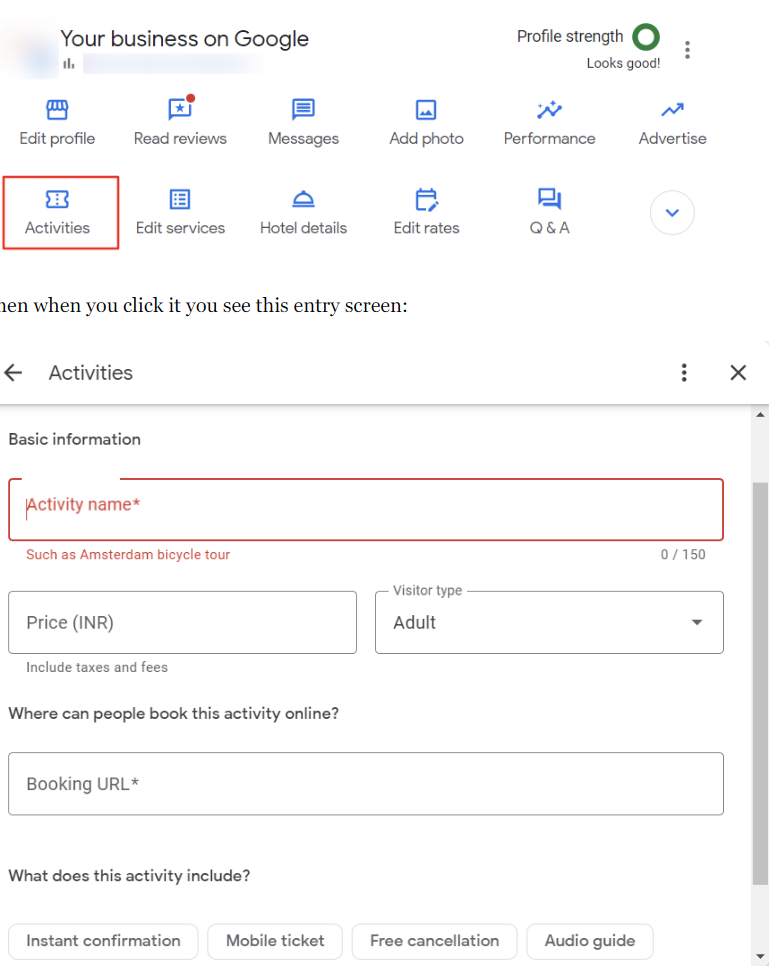
Google Business Profile has added an “Activities” section. Perhaps Google is focusing more on real-world activities (to counter fake AI-generated copy)? I’m not sure what it’s for yet, but having it is definitely better than not:
https://www.seroundtable.com/google-business-profiles-activities-36339.html
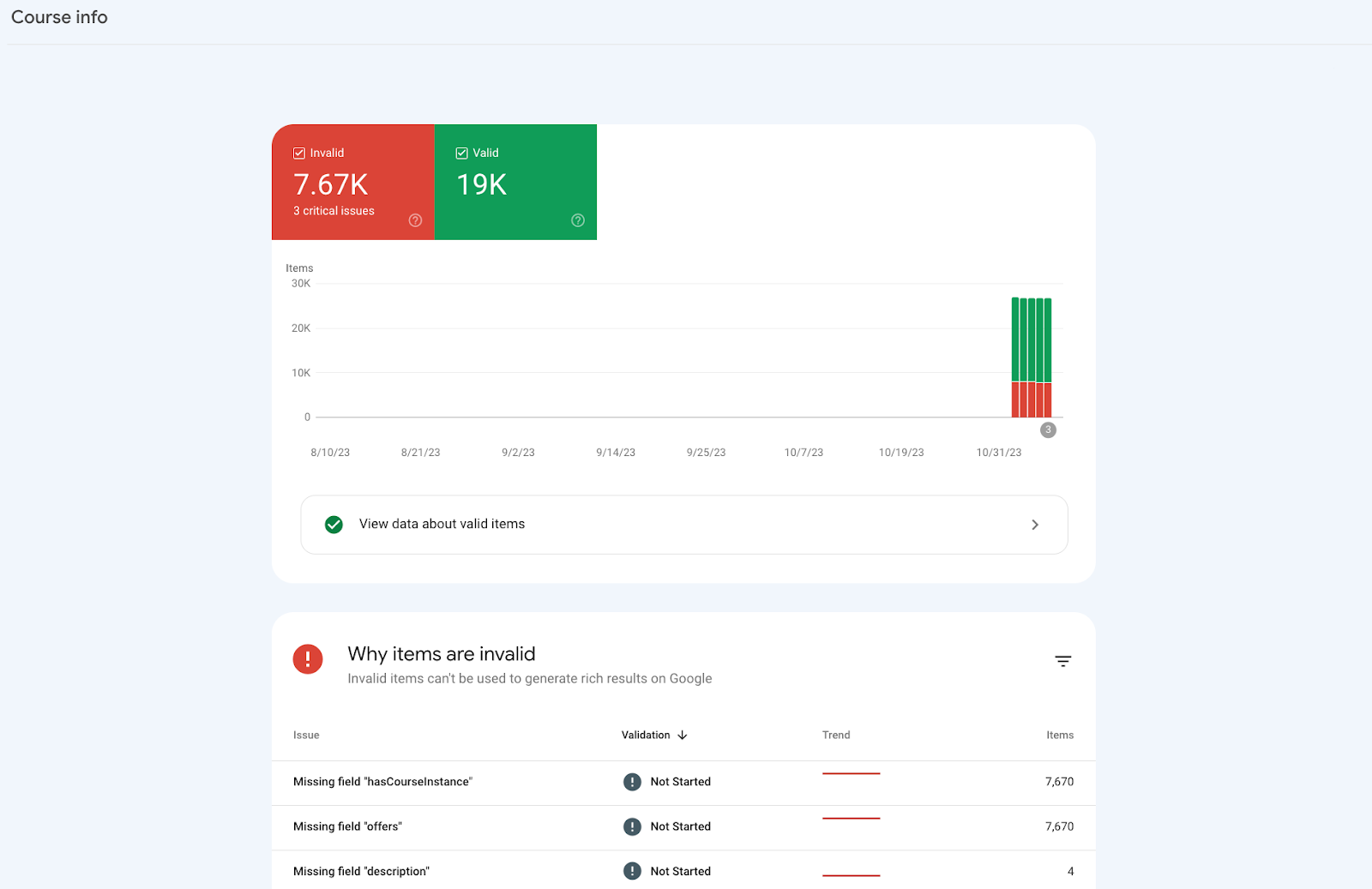
Structured data now includes course info. If you have relevant pages, consider adding it.
Does Fact-Checking Help SEO?
Will adding fact-checks help your SEO? Definitely. Here are some resources on ClaimReview fact-checking:
Google’s structured data guidelines
https://developers.google.com/search/docs/appearance/structured-data/factcheck?hl=zh-cn
Getting-started guide
Image fact-checking
Google’s Danny Sullivan on Content Quality and Updates
Danny Sullivan shared some views at Brighton SEO this week. Highlights below:
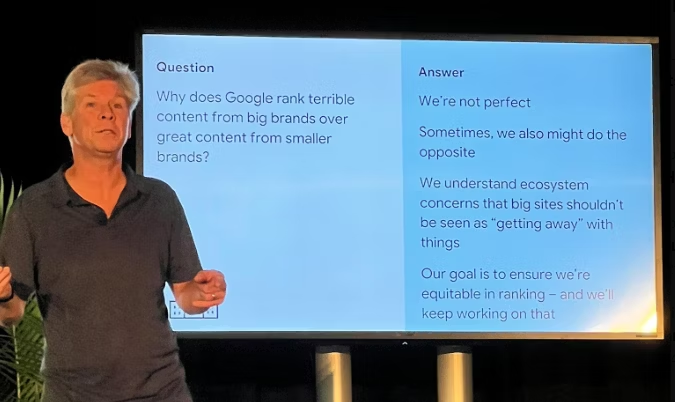
- Google’s systems try to reward what people like, not what Google likes. As he put it, “The more you try to think ‘but what does Google want,’ the further you get from what Google wants.”
- Google Search has gone through cycles where low-quality content rises until the algorithms evolve to deal with it. Another cycle is happening now.
- Google’s ranking factors are related to user interaction signals. Google’s How Search Works documentation says: “We also use aggregated and anonymized interaction data to assess whether search results are relevant to queries.”
- Authoritative sites often get too much of a ranking boost.
- “If we can’t index content, no, we can’t consider it.”
- Lots of changes are coming to search. “Buckle up”! But really, “those doing good, people-first content should be fine.” Many new ranking signals and changes are on the way.
FAQs Seem to Be Back
This is Google’s structured data guideline. Back in August, Google removed FAQ rich results, and features like the one below hadn’t appeared for a while:
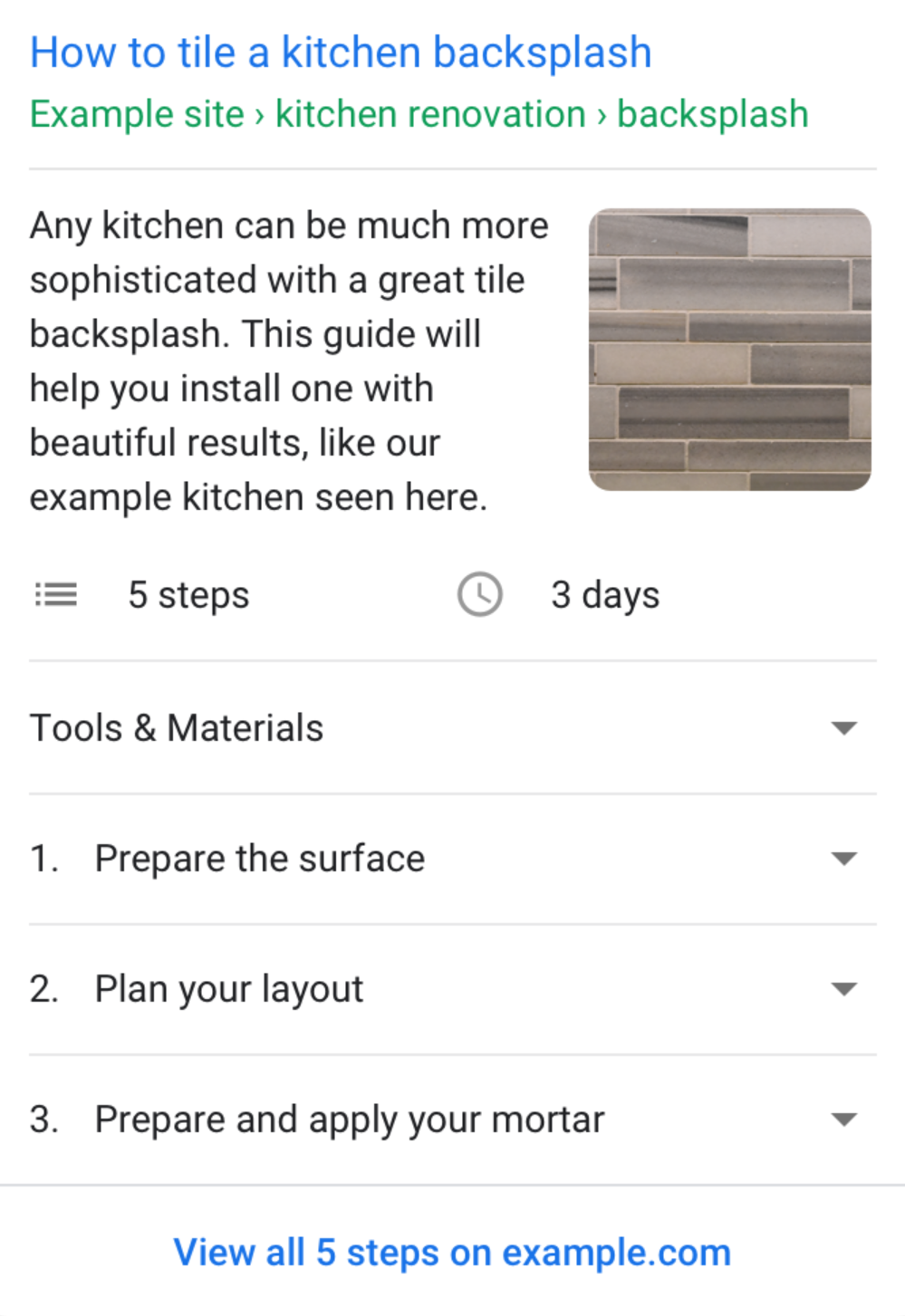
https://developers.google.com/search/docs/appearance/structured-data/faqpage?hl=zh-cn
https://developers.google.com/search/blog/2023/08/howto-faq-changes
General Changes to Google’s Search Results Pages
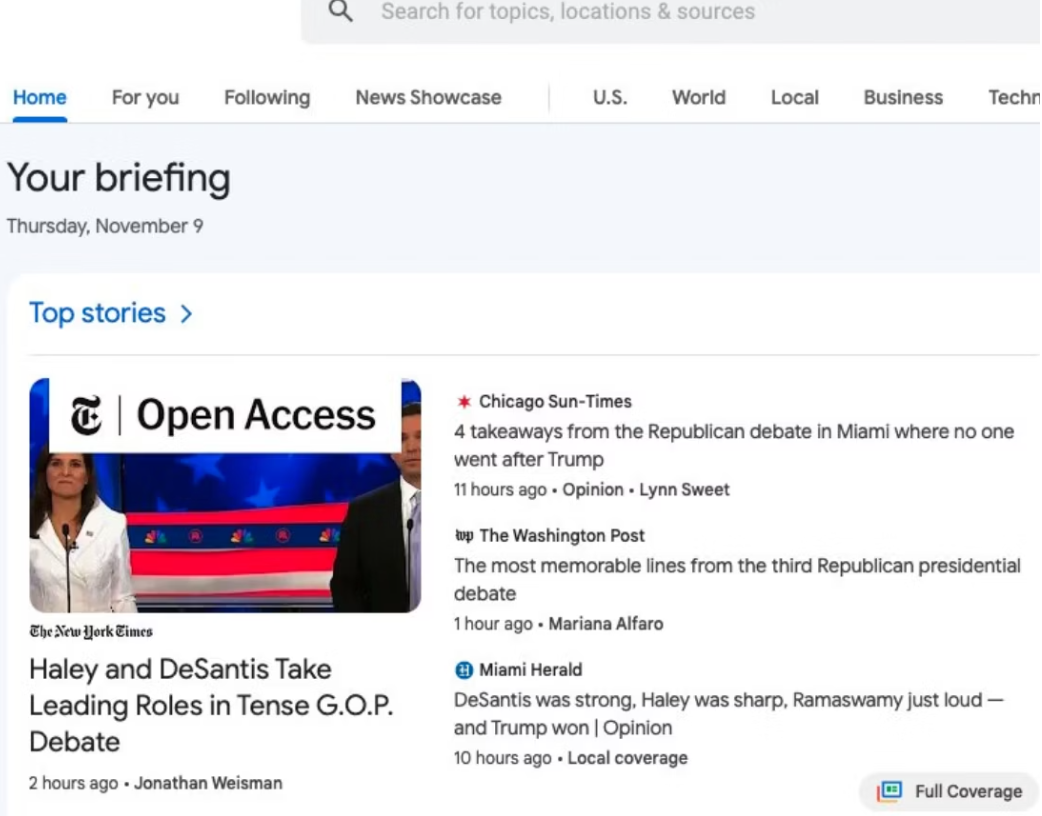
Google Discover is going to drive a lot of traffic, and the changes in mobile Chrome are one example:
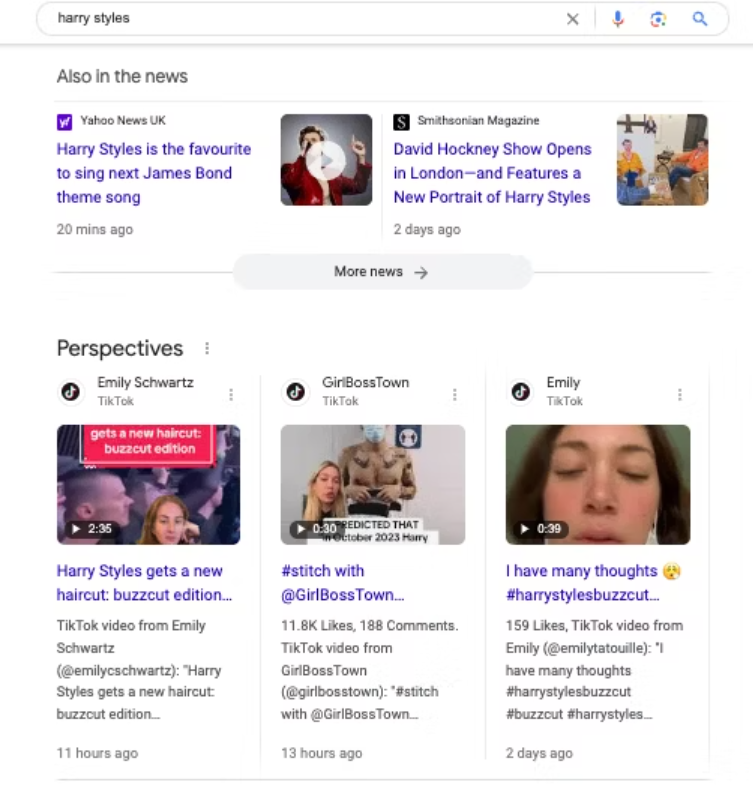
TikTok videos are appearing in the Perspectives carousel:
Your briefing:
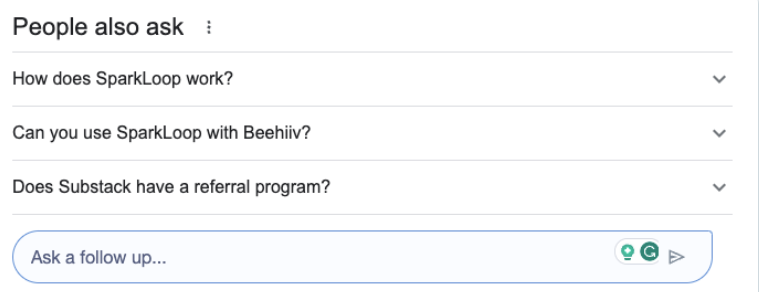
An “Ask a follow up” option is starting to appear under People Also Ask; clicking it uses Bard. This also helps Google learn what people actually want, rather than what Google’s machine learning assumes they want. It’s currently in a limited test:
Once Bard’s changes settle down, I’ll write a separate post about it.
Google QRG Update
On November 16, Google’s Search Quality Rater Guidelines were updated. In Google’s words: specifically, we simplified the “Needs Met” scale definitions, added more guidance for different types of web pages, included modern examples covering newer content formats such as short-form video, removed outdated and redundant examples, and expanded rating guidance for forums and discussion pages. None of these involve any major or fundamental shifts in our guidelines.
What is it for? It’s used by Google Search’s quality raters for their evaluations, and it’s also one of our most important guides for building SEO pages.
https://services.google.com/fh/files/misc/hsw-sqrg.pdf
User Behavior Is One of Google’s Ranking Factors
Google has long publicly denied that things like click-through rate are ranking factors. But in recent testimony about RankBrain, someone said, “If a document gets a positive reaction, we figure it’s good.” 🤔 Google can use all kinds of signals to determine the type of content users engage with, and Google’s privacy policy indicates that it collects various (anonymized) information to judge page quality.
I’ll be digging into the following articles 🧐
https://searchengineland.com/google-search-ranking-documents-434141
A Recent Jindouyun SEO Case Study
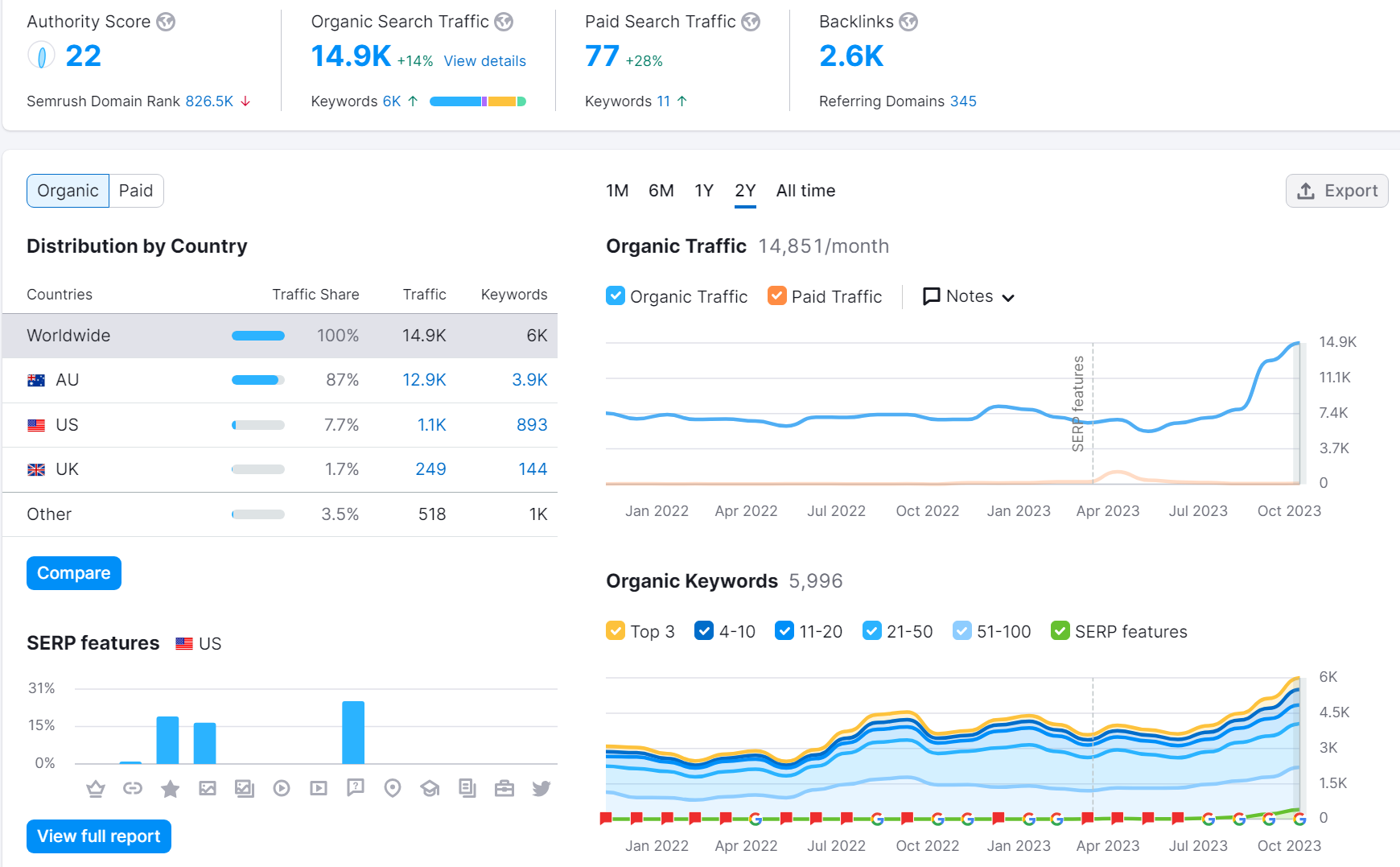
Lately we’ve noticed two fairly extreme patterns: either traffic shoots up, or keyword fluctuations drop sharply — but from what we’ve seen, both are normal. This case is a leading DTC seller in Australia’s shower industry. We started SEO work in June, and in October traffic began to grow significantly, with many keywords reaching the top three pages. Here’s a quick look via SEMrush:
Feel free to add me on WeChat (ID: LinusSEO) to chat and swap SEO success stories!

SEO & AI Weekly Roundup + Linus's Take (Nov 21, 2023)
https://www.linusseo.com/en/google-seo-and-ai-newsletter-linus-thoughts-231121/