I Tested Google SGE for 3 Days. Is SEO Really Dead?
This article was originally published in Chinese on 2023-06-03 and has been translated into English. Read the Chinese version.
Google’s SGE, unveiled at Google I/O in May, took a lot of people by surprise. I wanted to see as soon as possible what it would mean for Google SEO, so I applied for access right away. After getting in and using Google SGE nonstop for three days, I’ve come away with some impressions and conclusions I’d like to share.
I’ve also been thinking about where SEO is heading. At the end of this post, drawing on the latest algorithm fluctuations and ranking movements, I’ll talk in detail about how Google and search traffic might change going forward.
In one sentence, Google’s SGE (Search Generative Experience) is:
ChatGPT-style AI built right into the Google search box: it’s connected to the web, cites its sources, comes in rich formats, and delivers more “precise” information.
What this article covers:
- How do you get access to SGE?
- What is SGE like to use, and how does it differ across regular searches, informational queries and e-commerce searches?
- Thoughts on SGE and SEO, now and in the future
- A few other SGE discoveries, such as its design language
Follow my WeChat Official Account and reply “SGE“, or add me on WeChat (ID: LinusSEO, QR code at the end of this post) and send “SGE“, to get Google’s SGE document in English along with a translated version.
Note: the SGE features described here are still in testing (as of June 3, 2023) and may change in the future.
1. How to Apply
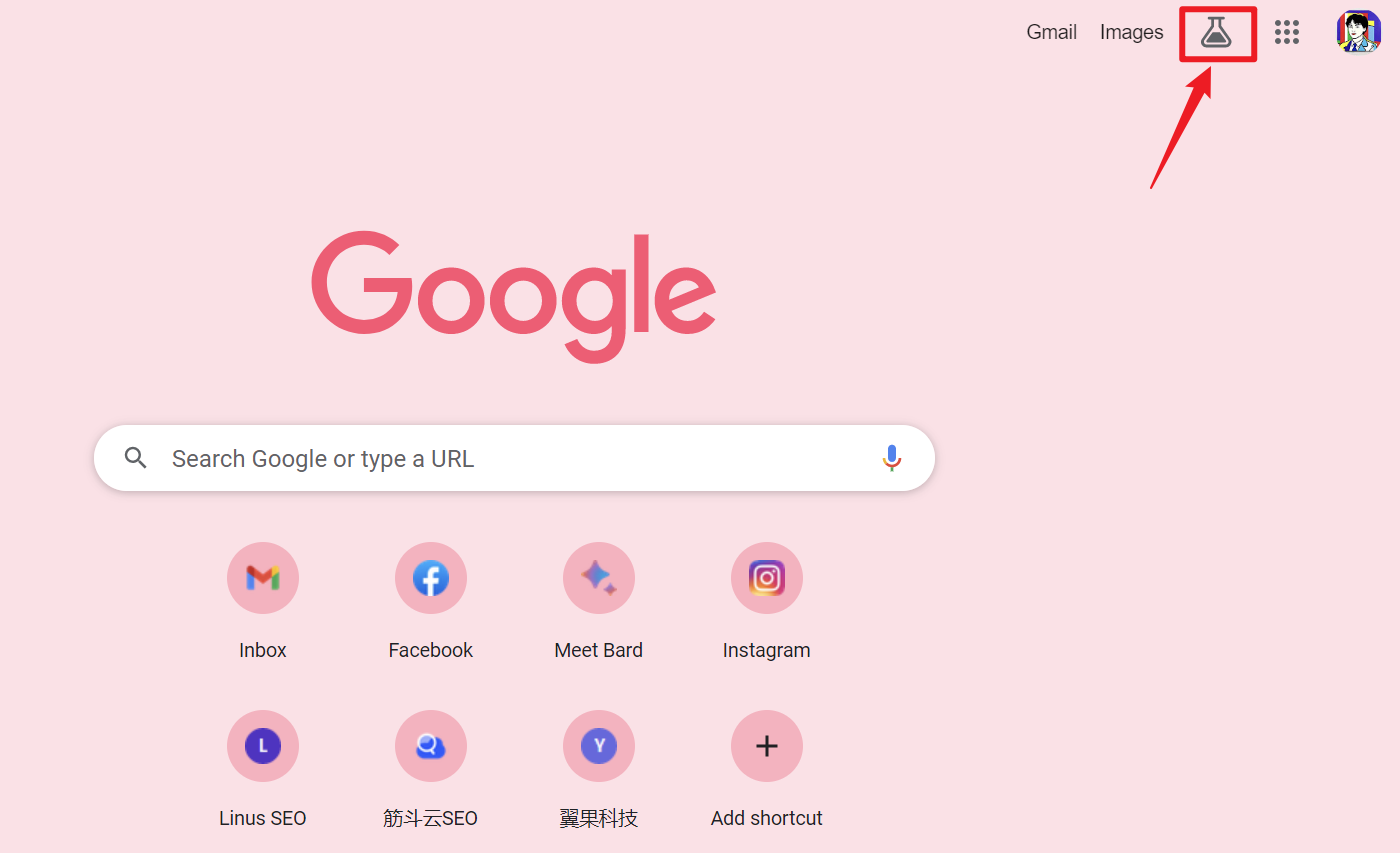
If you meet the requirements (US location, English-language environment), you’ll see a small flask icon by default when you open a new tab. That’s Google’s Search Labs. Click it to get in:
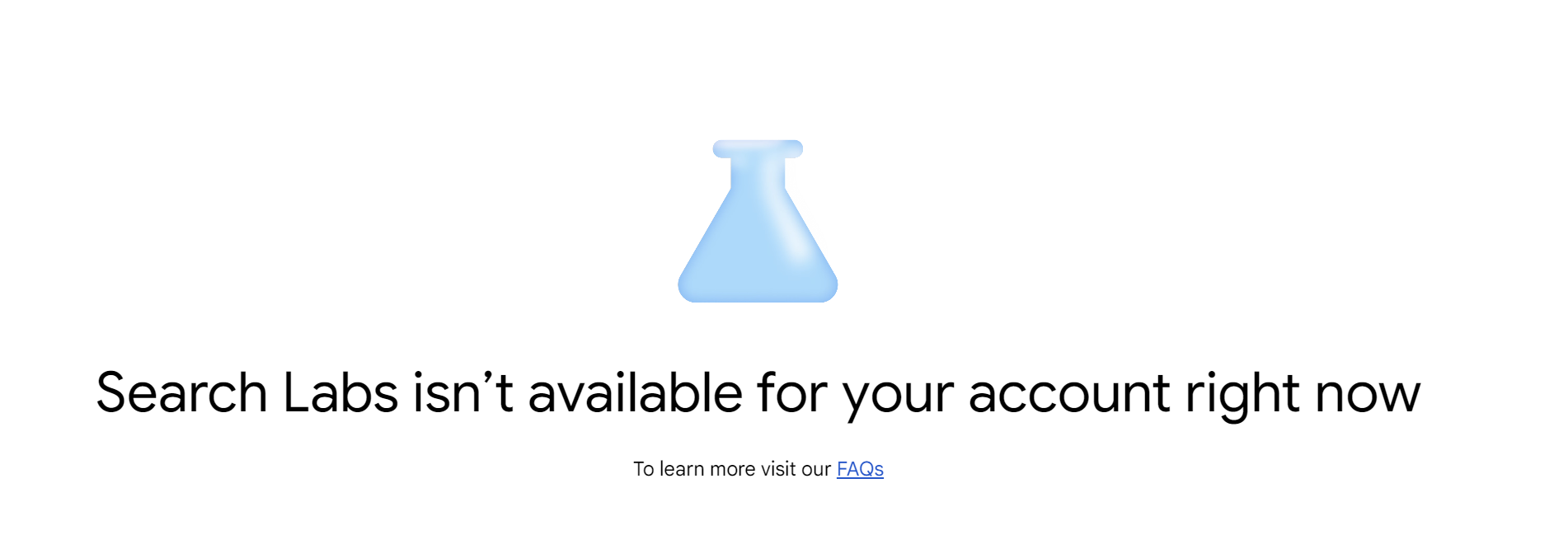
If you see the message below, something in your setup is usually off. Right now (June 3, 2023), Google says Bard and SGE are only available in the US and in an English-language browser environment, so you need a browser that looks completely like it’s in the US. Most independent-store and Amazon sellers will be familiar with how to do this, so I won’t go into it here.
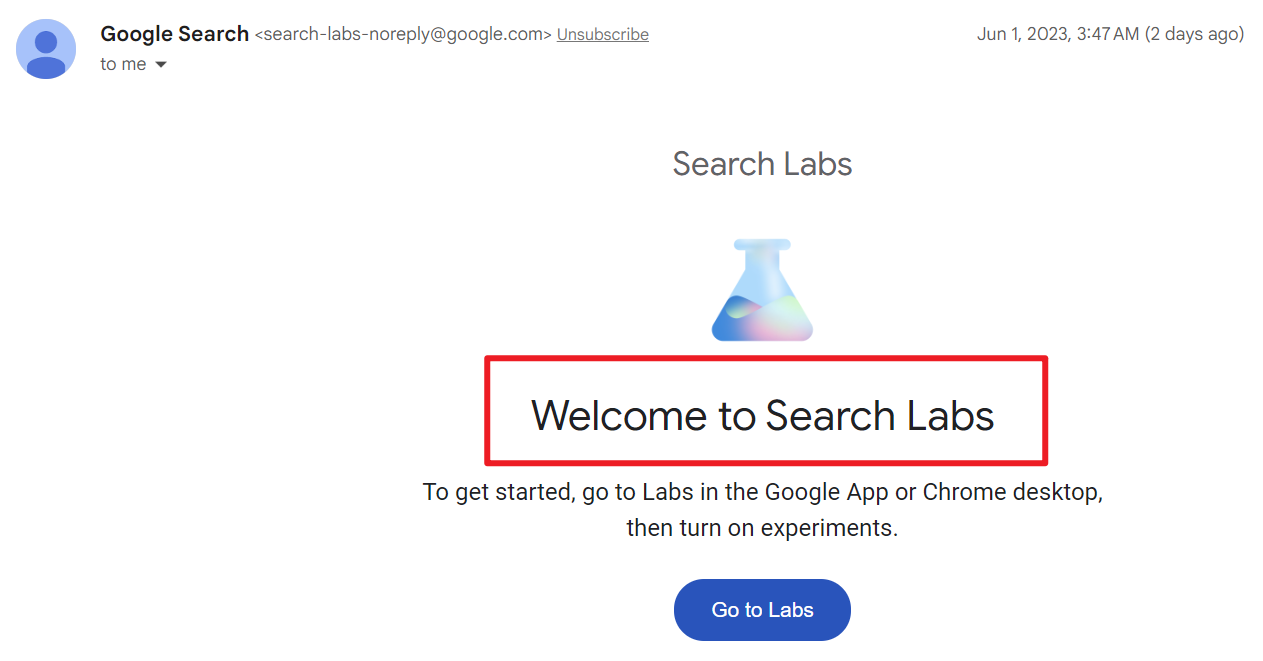
Once you’ve joined the waitlist, just be patient. Google has recently loosened the criteria and many researchers have already been granted access, so it probably won’t be a long wait.
2. Trying It Out
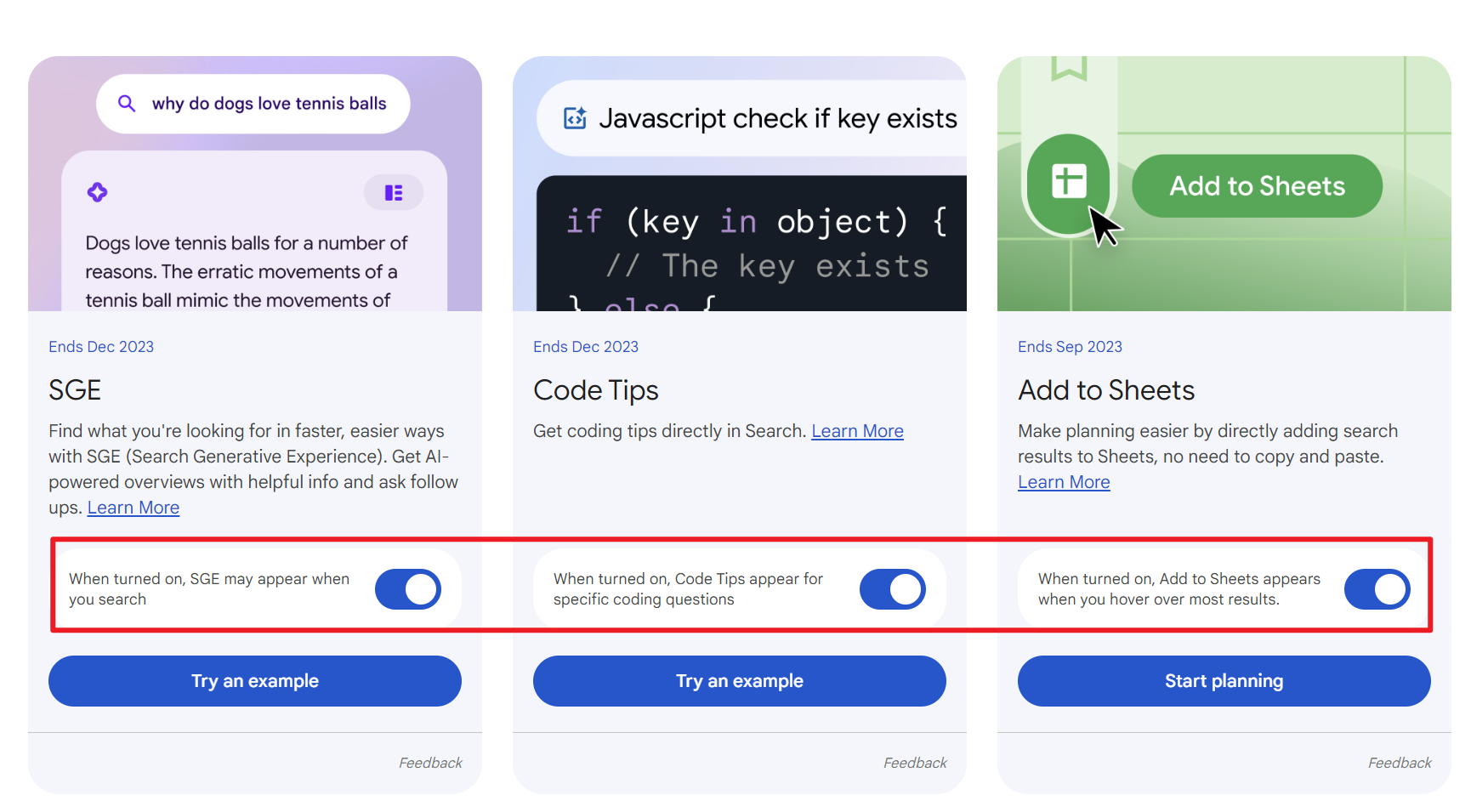
Once you get the email saying you have access, open a new tab as above, click the Labs icon in the top-right corner, and turn on the three toggles below. You’ll then be able to use the features Google showed off at I/O! Note that for now, the AI features only kick in when you search in English.
A.SGE
Open Google Search and start searching. For some queries, Google won’t show a generative AI answer unless you click to request one:
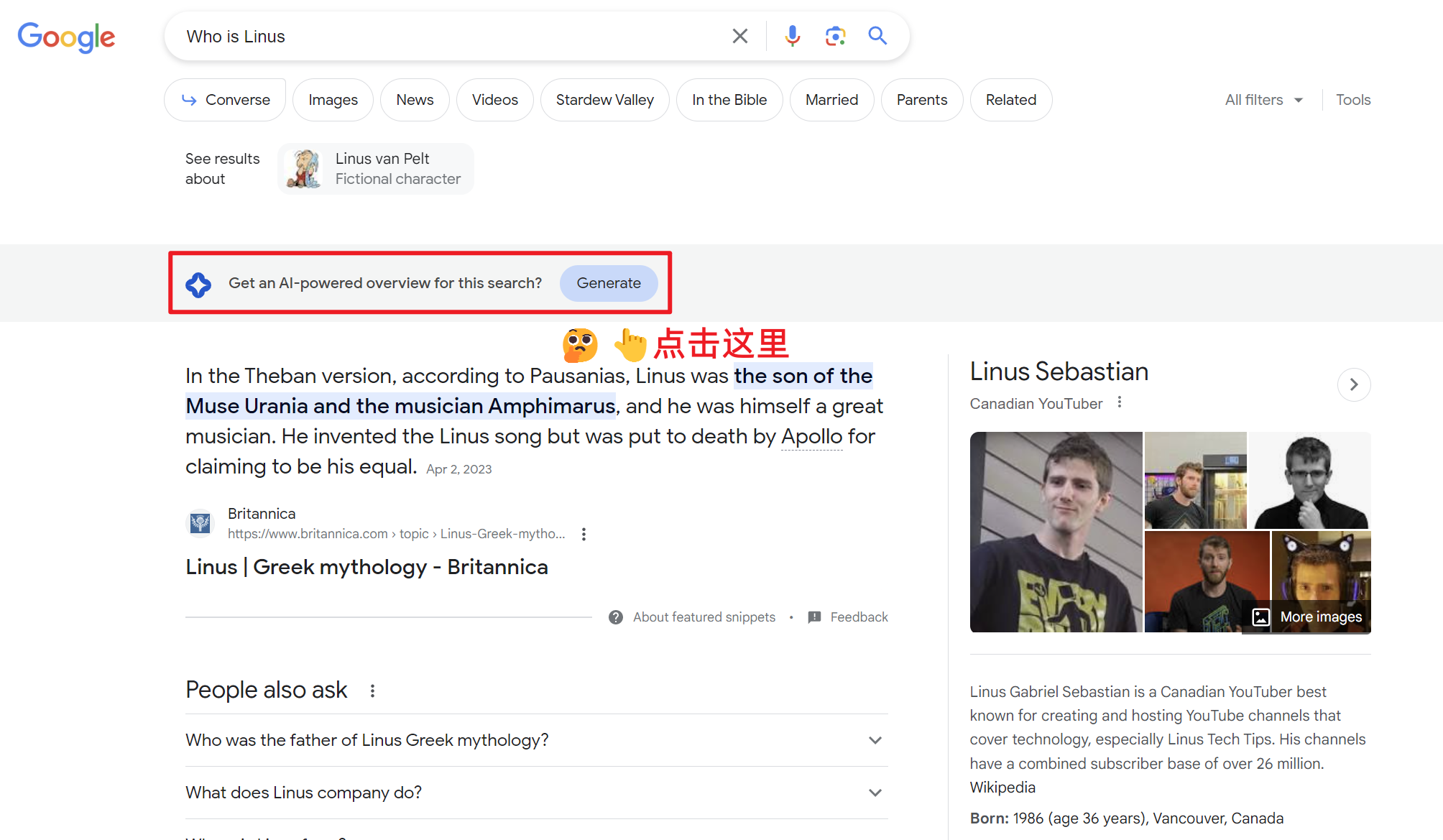
After a lot of testing, my read is that the AI answer usually doesn’t appear because the query is too simple, so Google thinks the regular search results already answer it, or because the query is too niche (nobody cares about it). Conversely, if Google thinks generative AI can deliver a better result, it shows the SGE result.
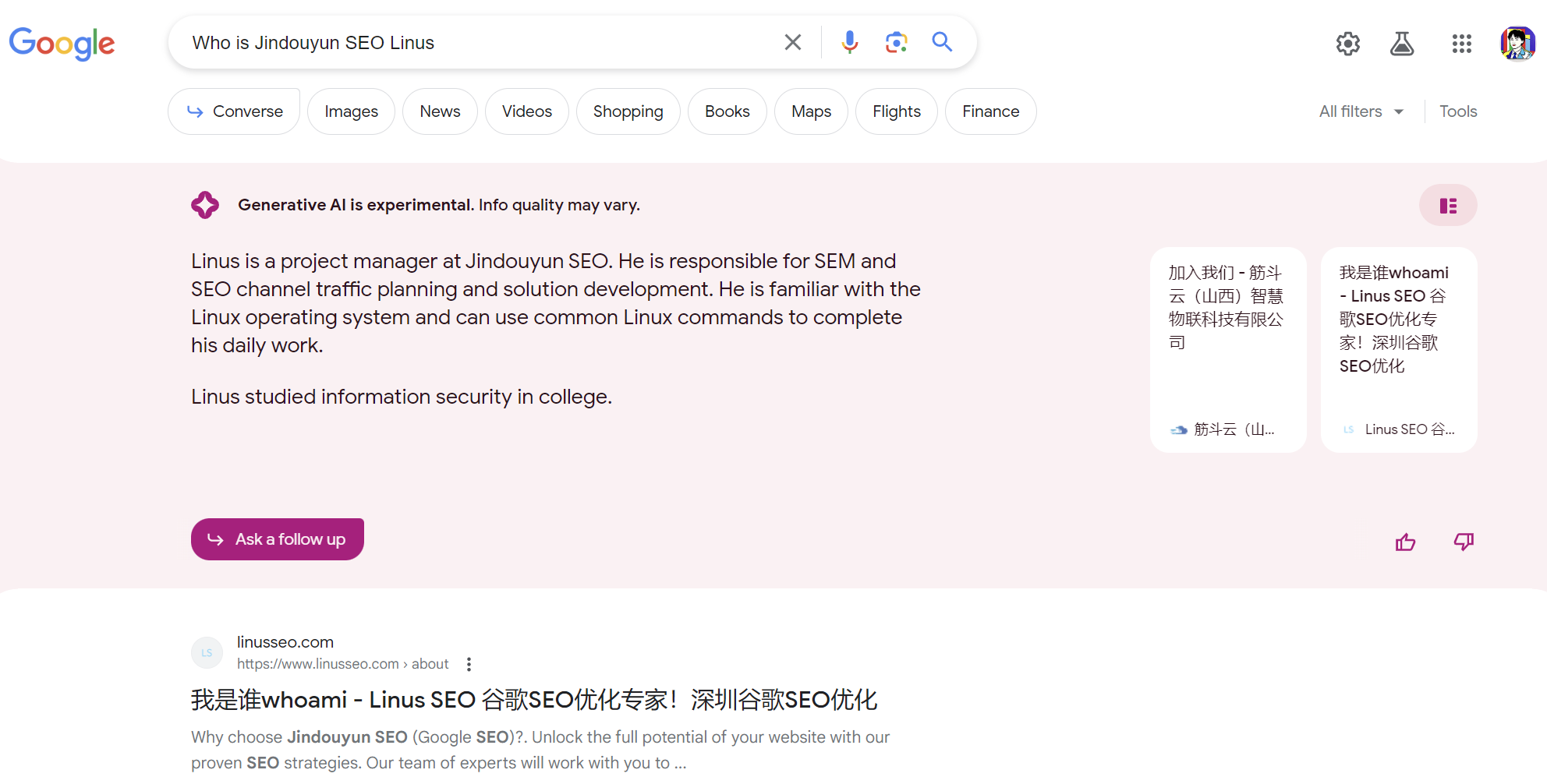
I searched for an “obscure” question, “what is jindouyun SEO Linus” (who is Linus from Jindouyun SEO), and it still pulled an up-to-date answer from my personal website, plus some other possible answers (for the record, the reference site shown isn’t our company, haha). What’s striking is that it had clearly done a translation step on Chinese content: it built its answer from Chinese-language sources rather than just citing English search results:
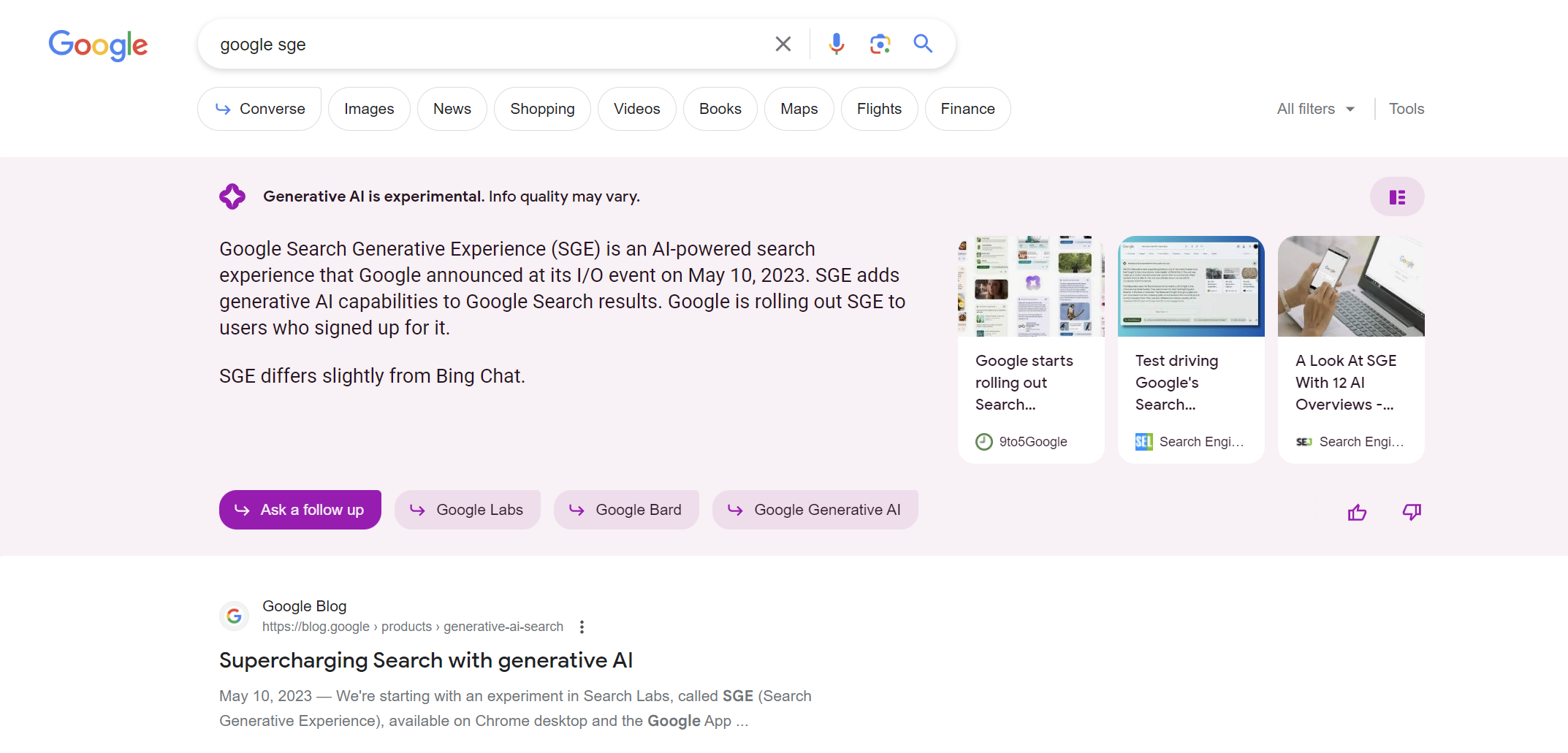
Google’s SGE notice says SGE is designed to help you understand a topic faster, uncover new viewpoints and insights, and get things done more easily. So instead of asking a series of questions yourself and piecing the information together, search can now do some of the heavy lifting for you.
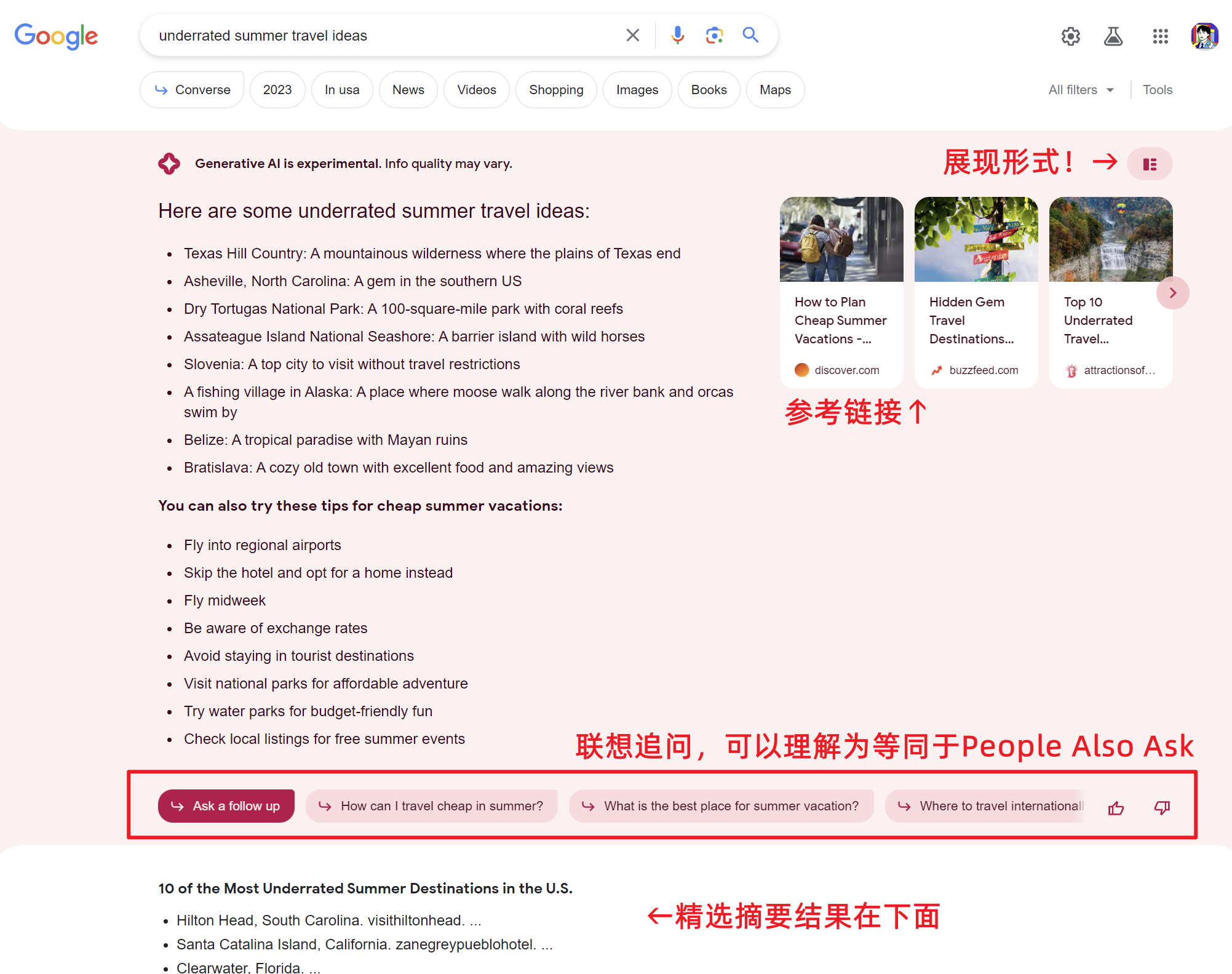
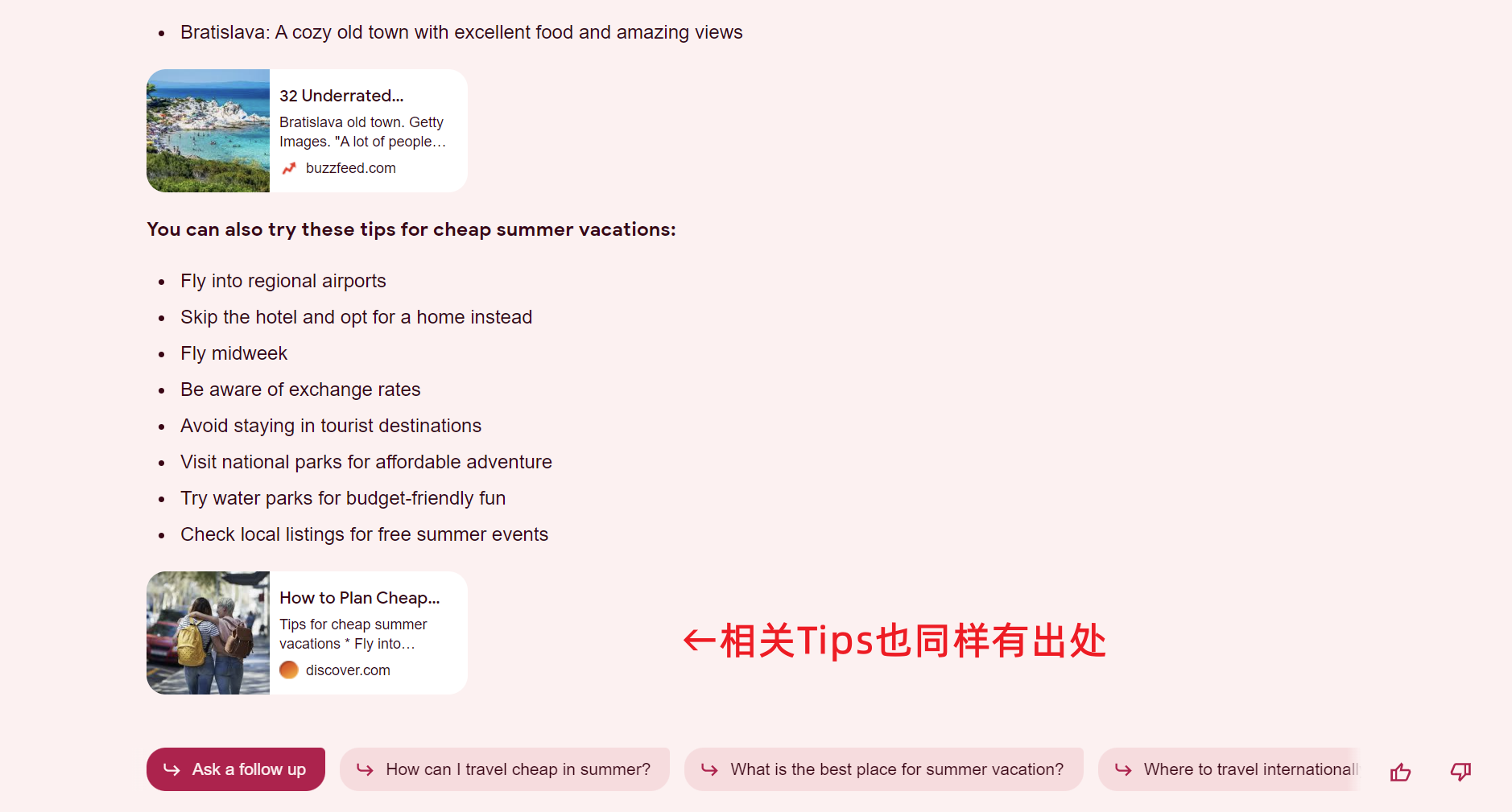
In other words, SGE’s value in search is bringing together a whole series of questions you might otherwise have to look up one by one. I tried Google’s own example queries. For “underrated summer travel ideas”, the AI-generated result was split into several parts:
- The AI answer. It doesn’t just tell me where I could go; it also throws in some relevant tips
- Reference links. If your article performs well (basically top three), it will show up here
- Follow-up questions, which you can think of as the equivalent of People Also Ask
- Different display formats (see the screenshots below). Unlike ChatGPT, it blends search results into the answer itself. This is likely one of the future forms of generative conversational tools, especially with titles and descriptions getting shorter. As I see it, SGE is essentially an upgraded featured snippet, and it deserves close attention!

Google has been fairly restrained with the AI, not showing huge amounts of text. So what changes when we want to shop? How are products displayed, and where do the ads go? Independent store sellers, pay attention!
Using “Bluetooth speaker for a pool party” as an example, the generative AI showed the following:
- On the left, a short buying guide; on the right, the top three “how to buy” style web pages
- Below that, product listings. Click a product and a very detailed product information panel opens on the right (see below)
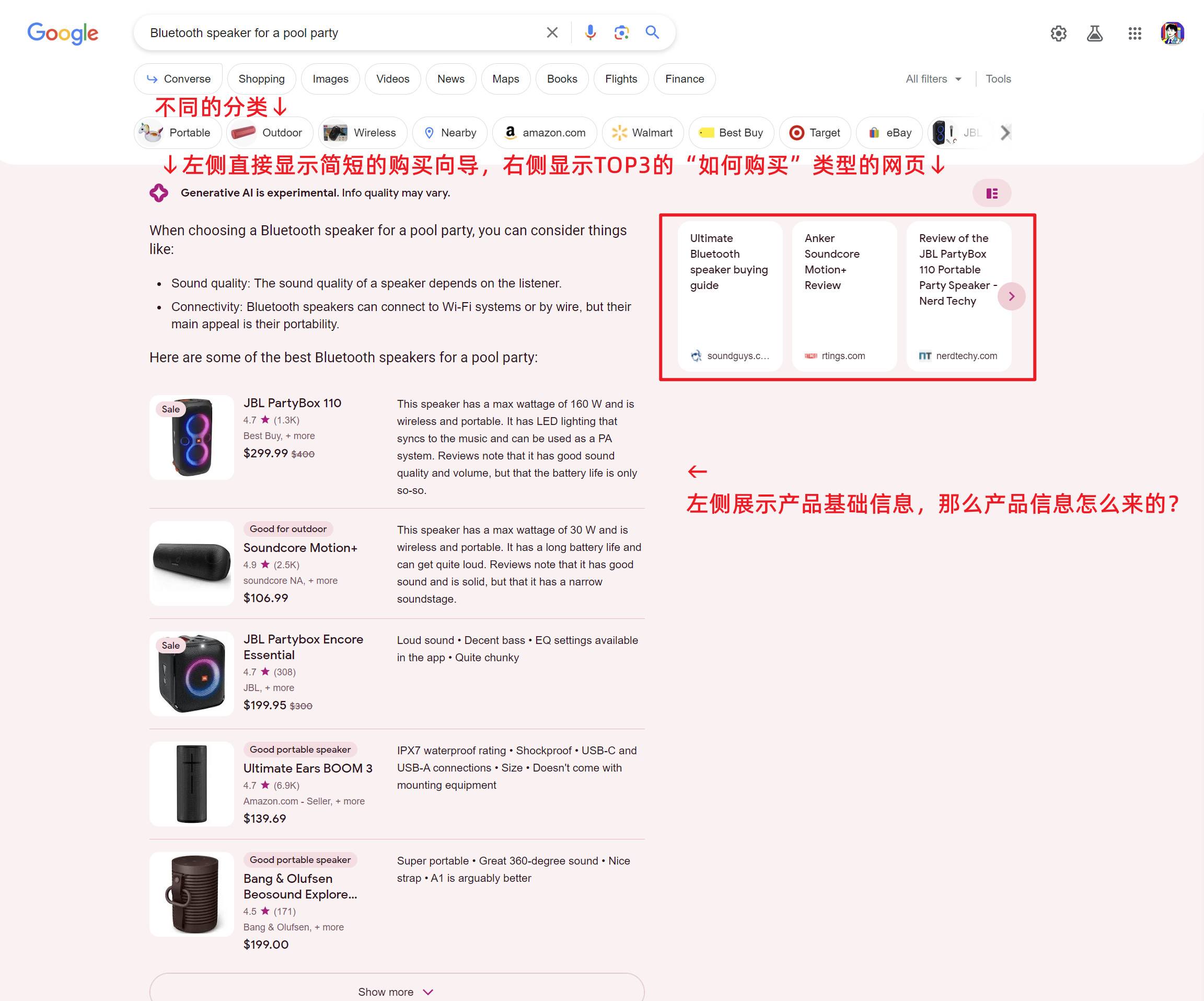
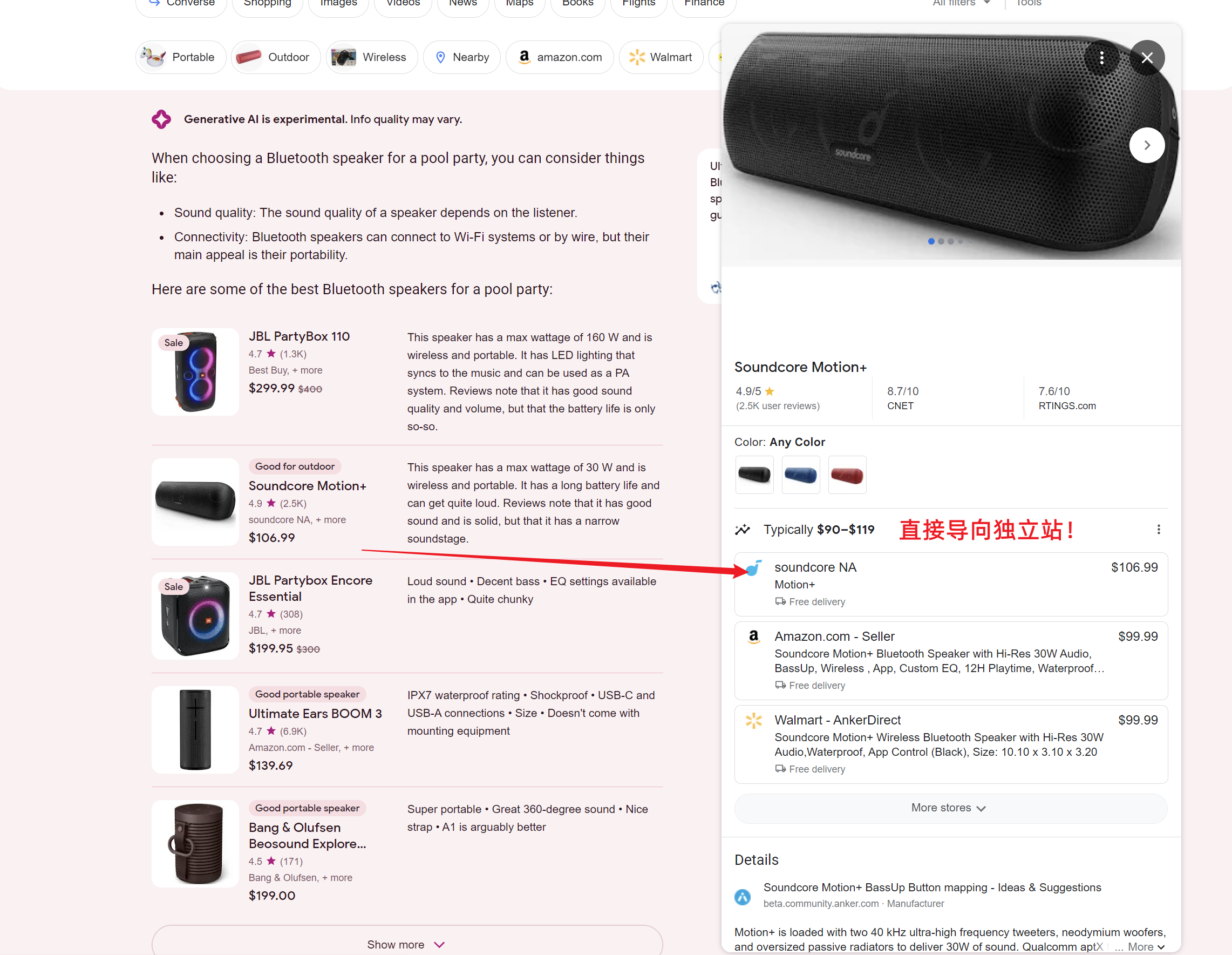
The panel that pops out on the right includes:
- Purchase links. These usually include Amazon, Best Buy, Walmart and independent stores, and if an independent store performs well, it’s often shown first
- Reviews. These aren’t just from one site; reviews are aggregated from all relevant websites. That gives consumers more complete information, but for sellers, maintaining reviews across many platforms takes a lot of effort. Reviews are also going to carry more weight in Google SEO from here on.
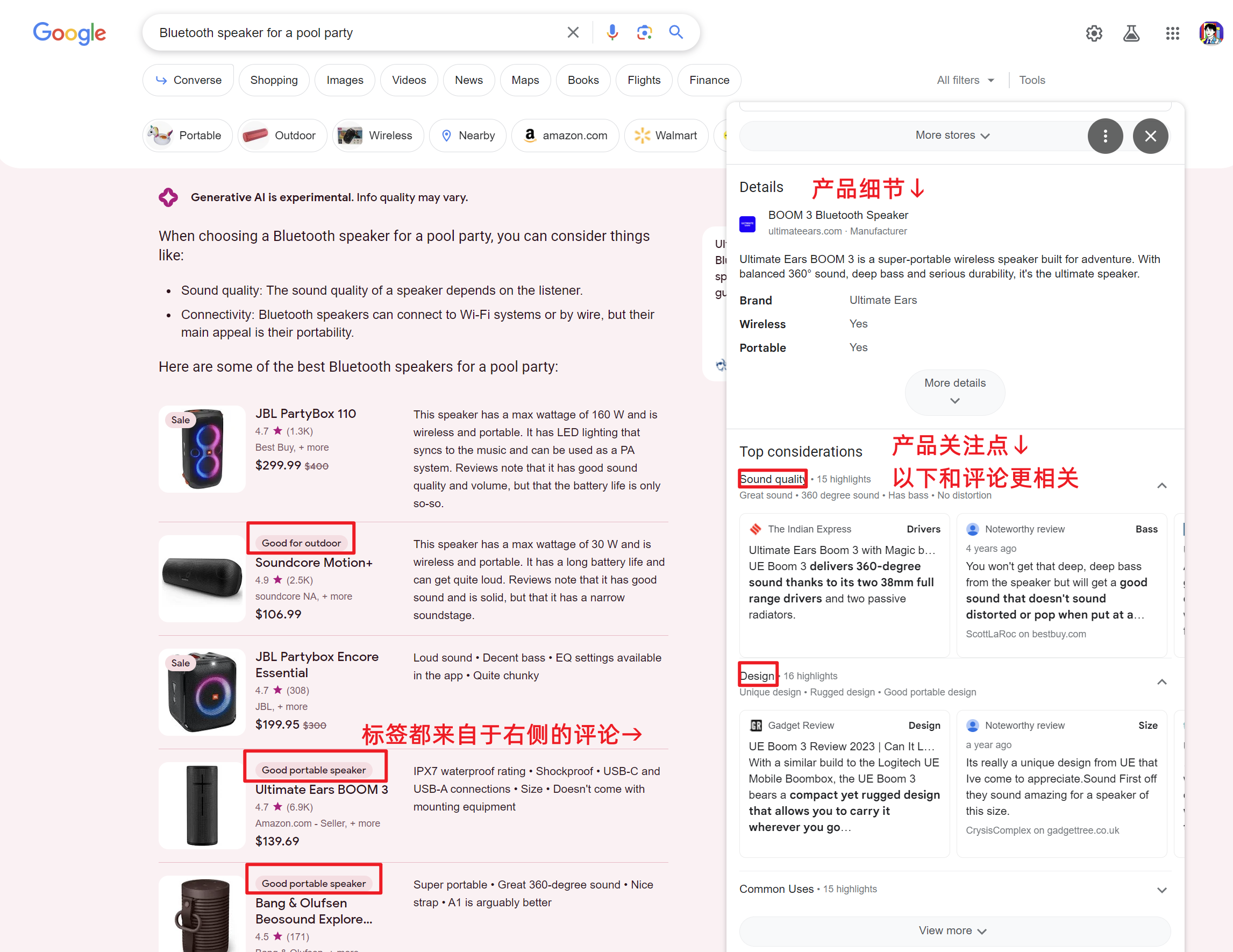
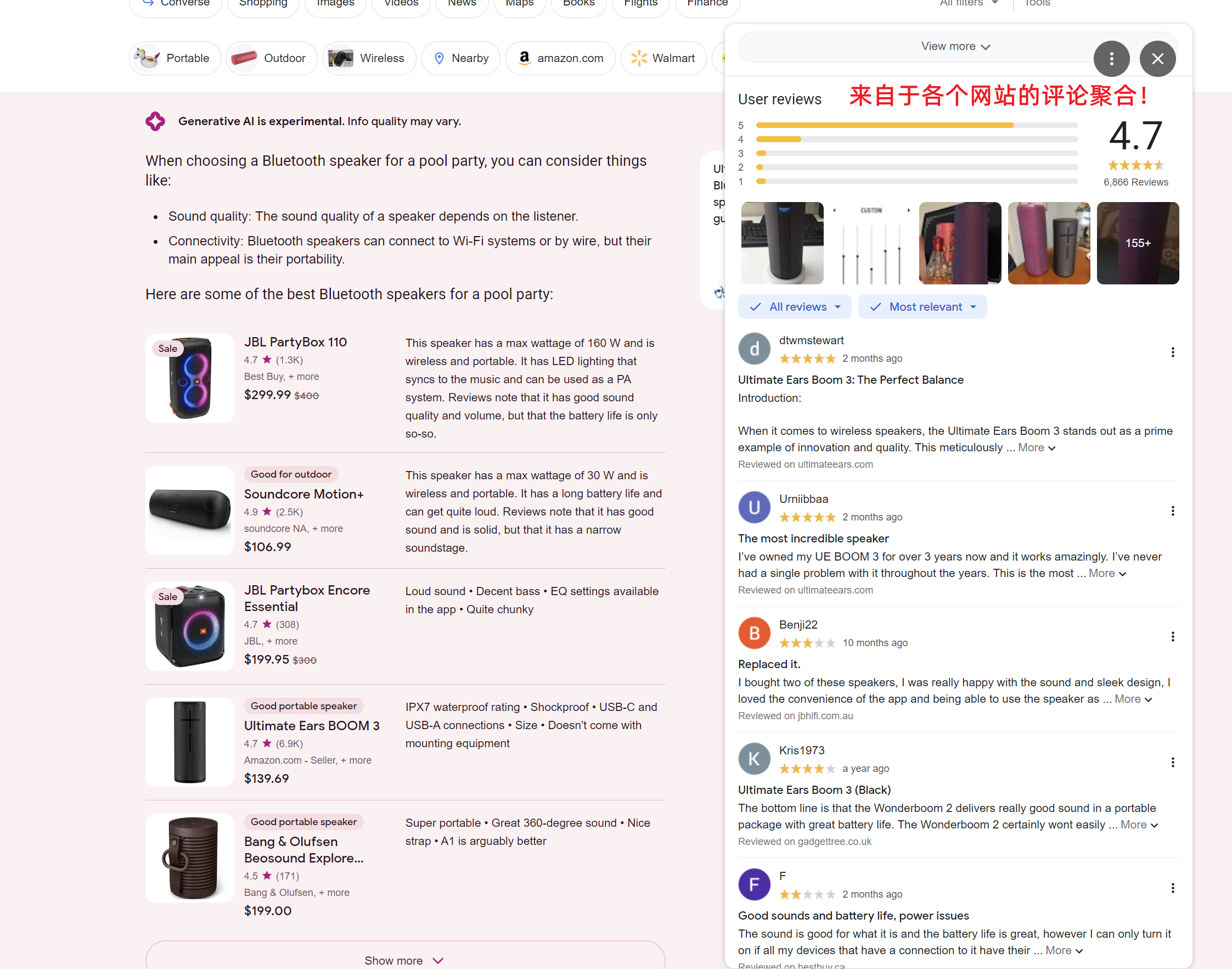
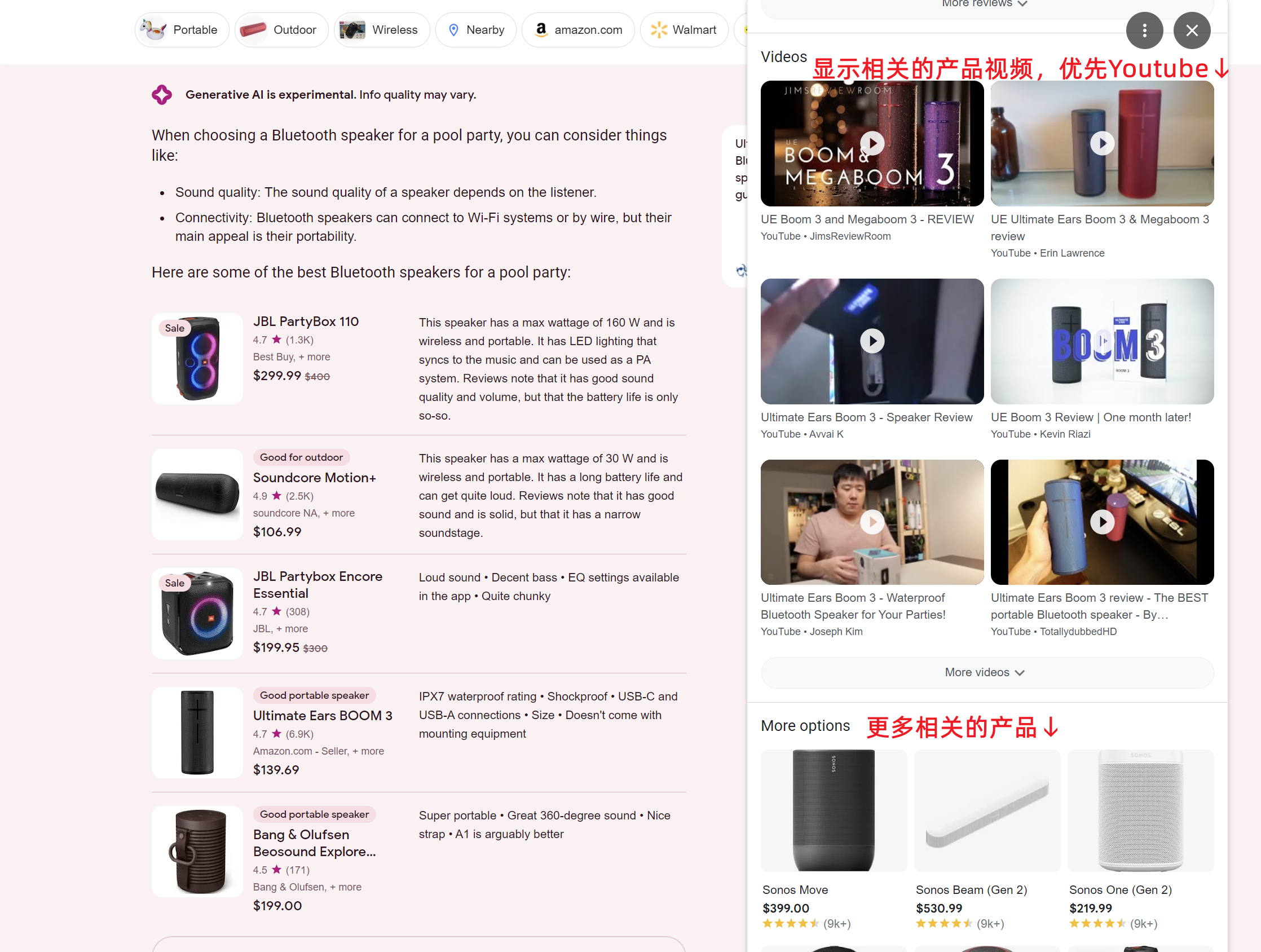
Further down there are videos, more options and so on…
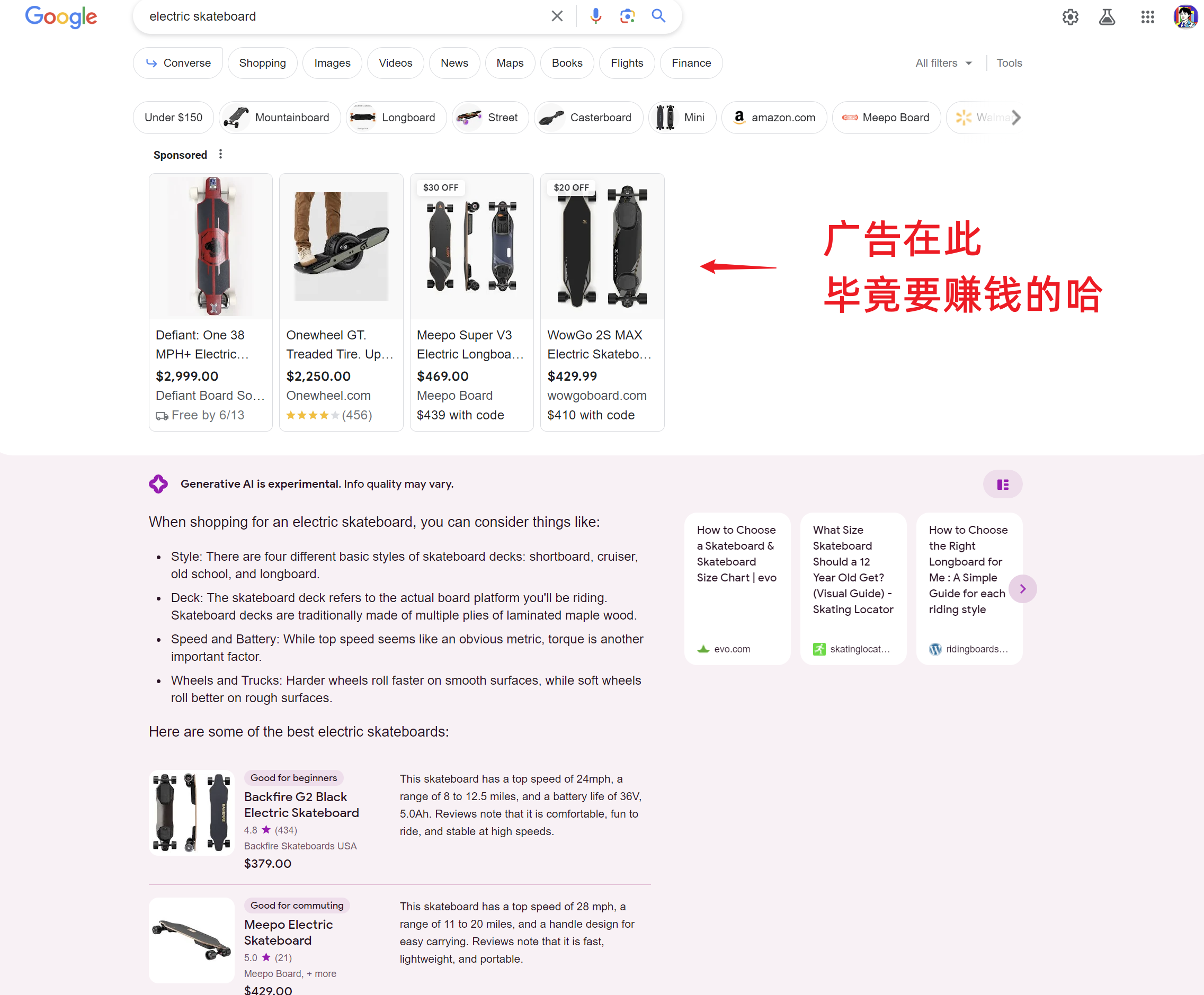
Of course, if you run ads, the ads actually appear first at the top, then the generative AI information, and then the organic SEO results:
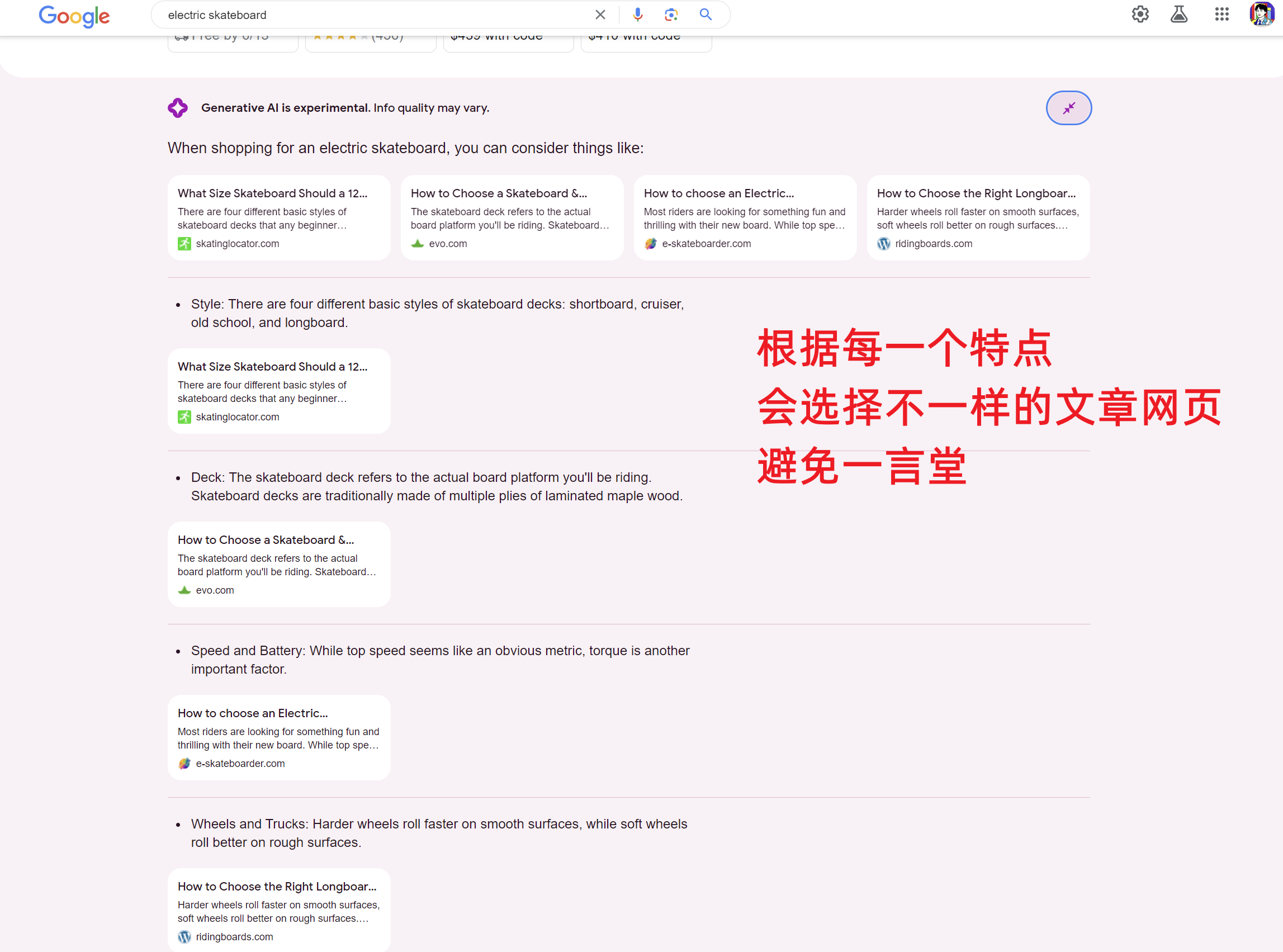
You can also switch between display formats. What’s interesting is that for each feature or point, the results underneath show the best matching article, so no single source dominates. That’s actually pretty good for consumers.
For content writers like us, the most important thing is being able to see which points are covered well and which aren’t, so we can strengthen specific parts of our content in a targeted way:
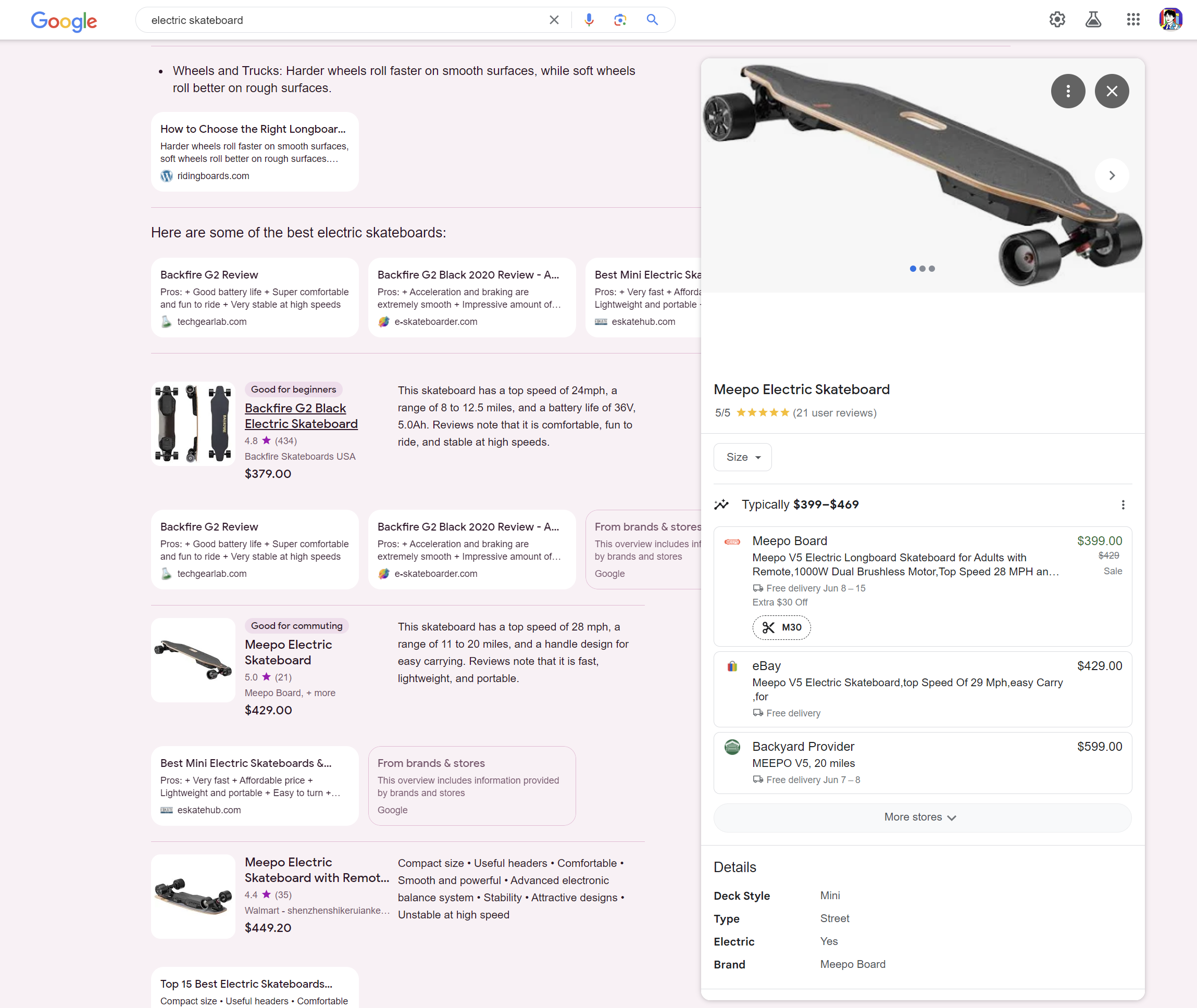
Scroll down and you’ll find information and products interleaved. Click a product and its details appear on the right to encourage a purchase:
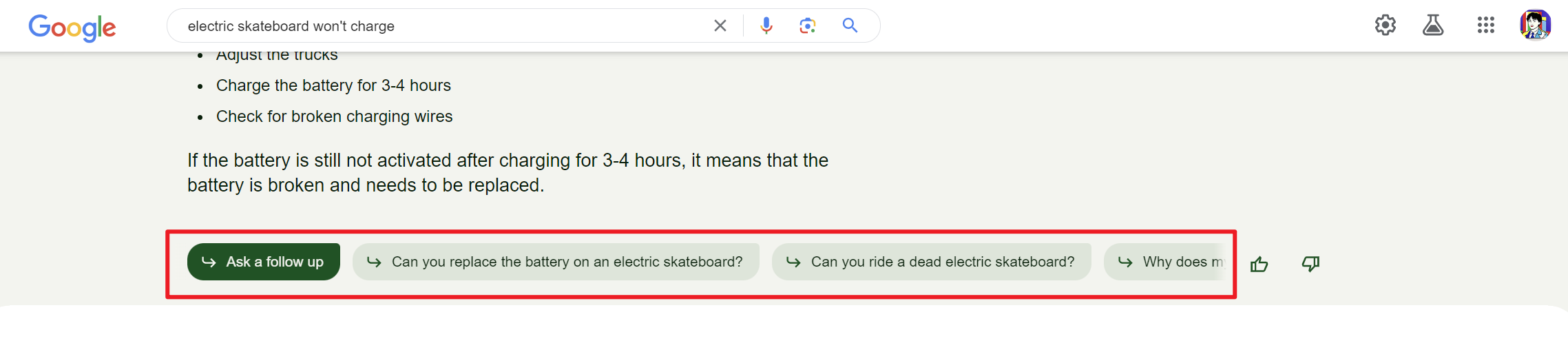
When you click one of the follow-up questions below, Google opens a conversational chat window. It’s basically ChatGPT with images and rich results. I really like this feature. Maybe ChatGPT has spoiled me, but I’ve come to feel that chat is the natural form of search:
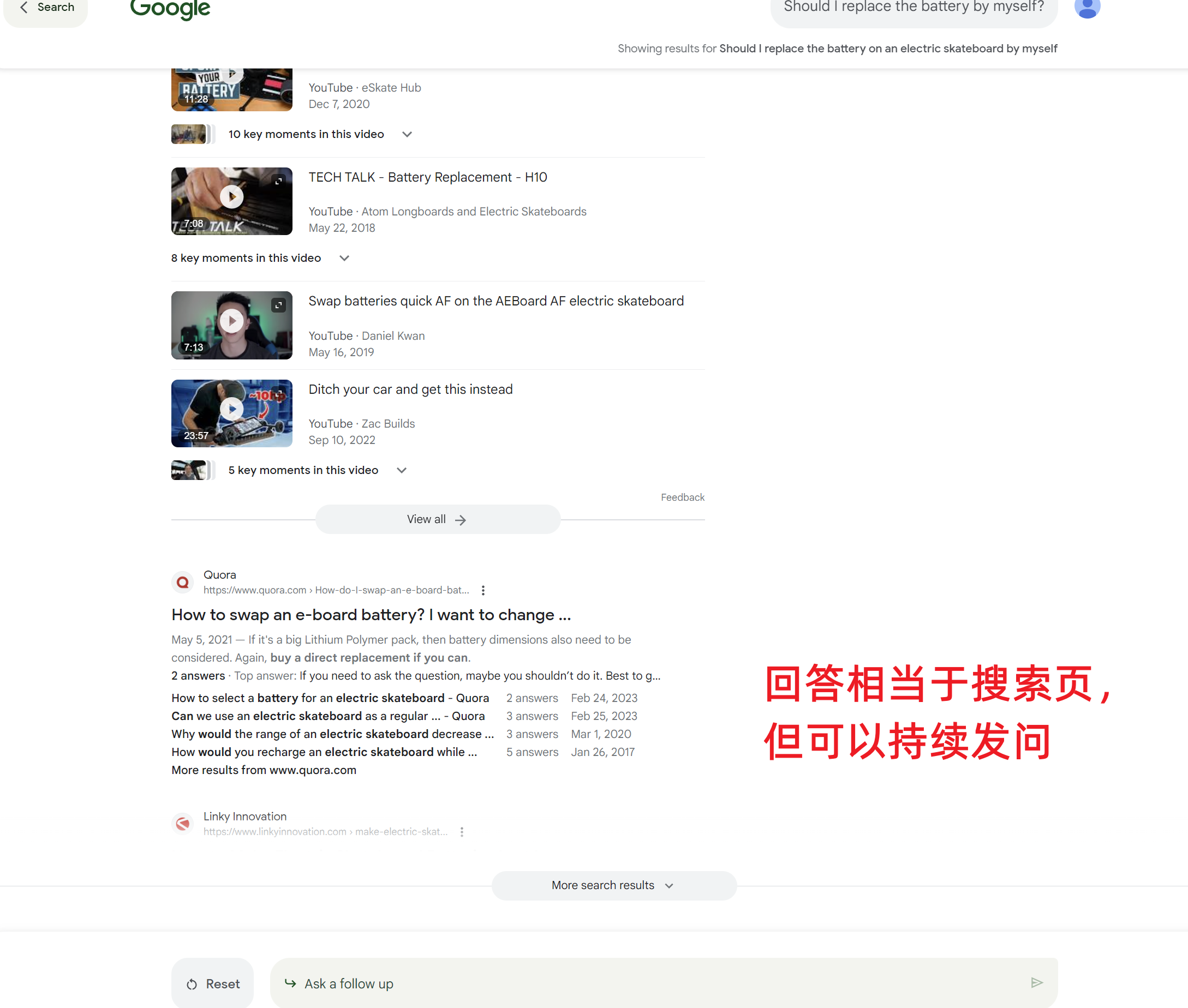
But really, this is Google Search wearing a ChatGPT interface. What Google returns is an entire scrollable search results page:
B.Code Tips
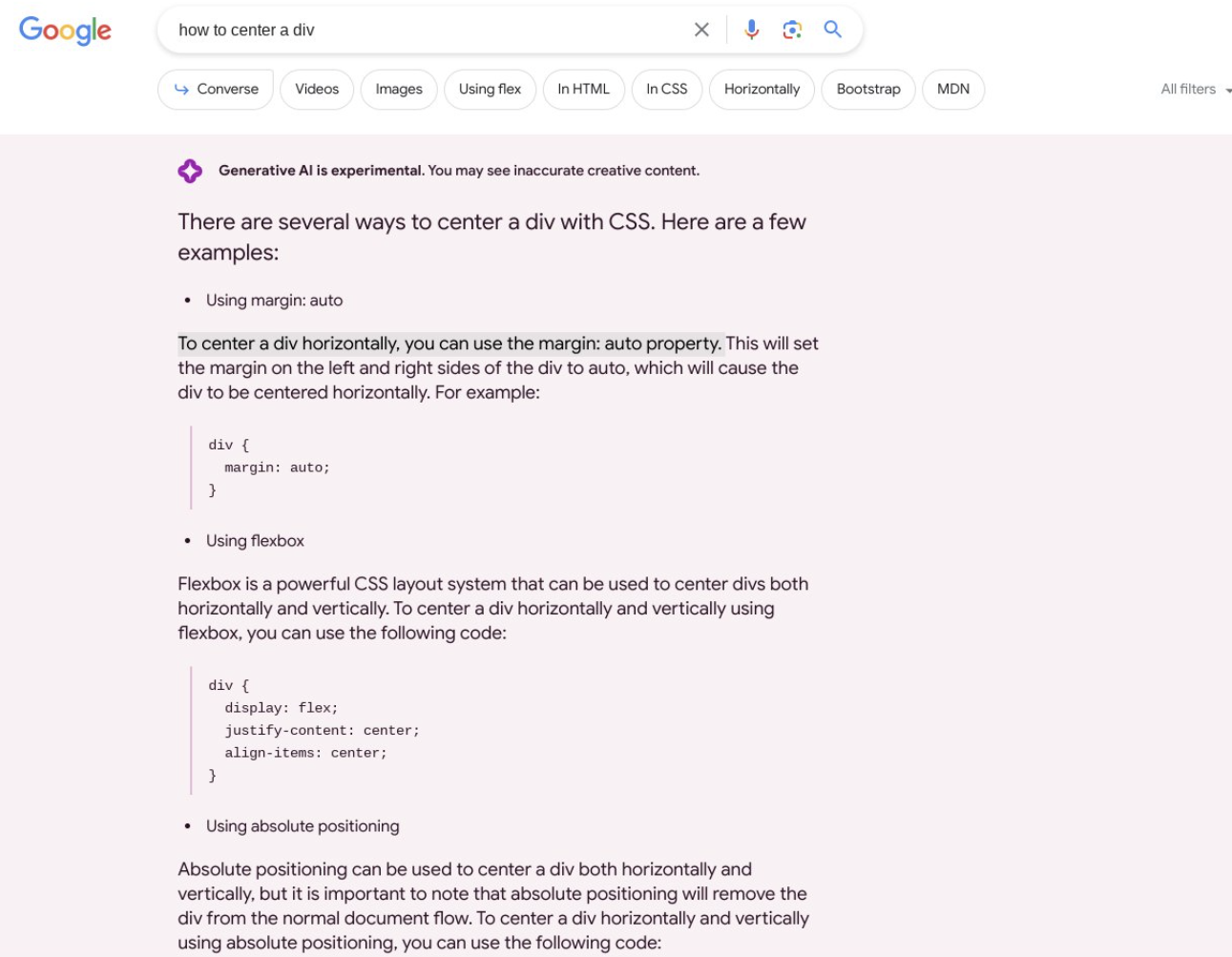
Code Tips is for programmers. It can output code directly based on your question, which is pretty cool, but it has the same drawback as ChatGPT: it can only give you implementations of individual functions and help you think through ideas. If you want a real productivity boost, I’d recommend GitHub Copilot to speed up your coding work.
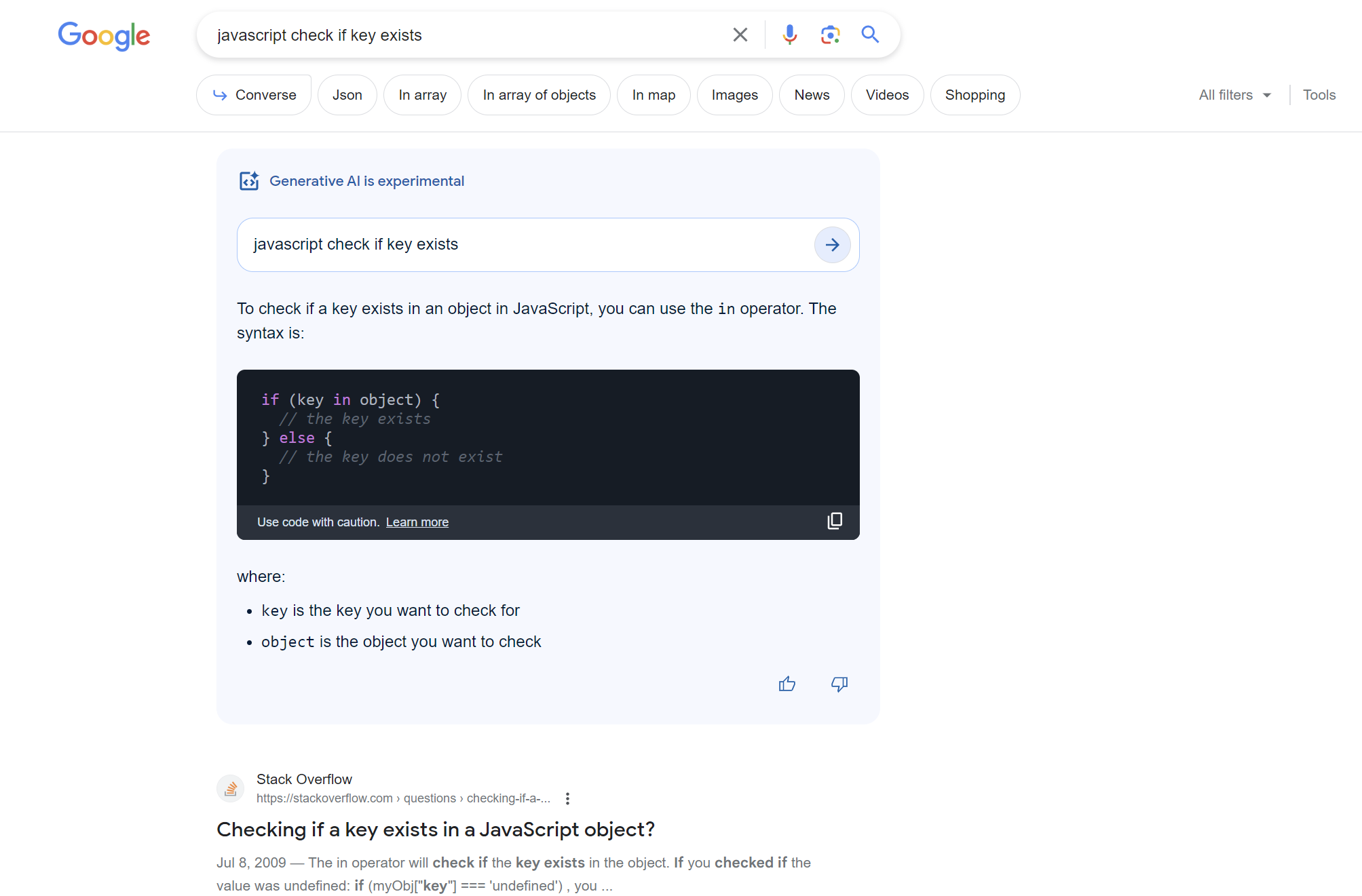
I asked it a simple Python question at random, and it handled that fine too:

C.Add to Sheets
This feature basically lets you add search results to Google Sheets, which can save researchers some work. It only works in desktop Chrome, though; you can’t use it on mobile.
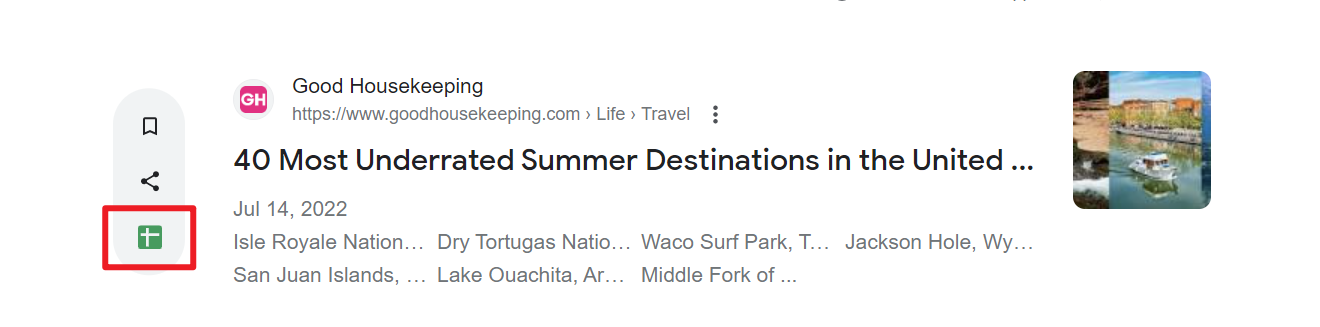

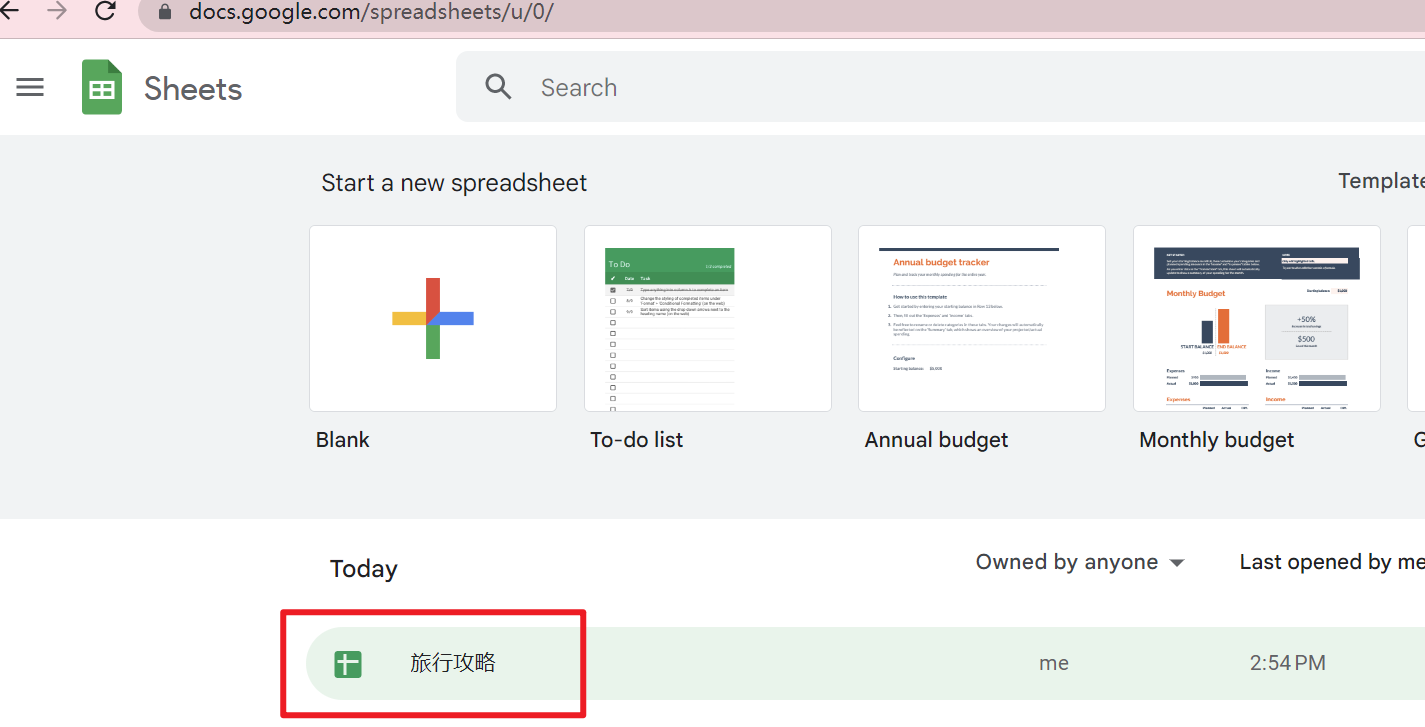
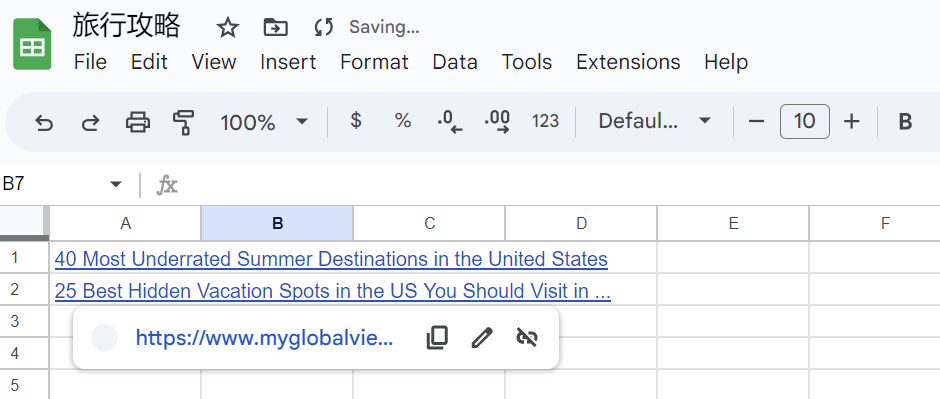
After adding a result, you can view it in Google Sheets, but for now it’s only saved as a single cell. It’s honestly unclear what use cases this serves. Let’s see how Google improves it; I’m hoping for more new features!
3. SGE and SEO: Problems and Thoughts
A. SGE results take up way, way too much of the page!
The most serious problem I’ve found so far, and one that could hurt SEO, is that for some specific questions, such as Code Tips-type queries, Google SGE fills the entire screen. That’s clearly bad news for SEOs. For simple questions like these, unless you’re on the first page, you may never get click-through traffic again.
So content has to be original. Questions that AI can answer on its own are no longer worth writing about. You need to go deep and be precise to attract Google’s crawlers.
B. SGE is an upgraded featured snippet. Will it hurt website traffic?
According to data after Google rolled out featured snippets, Moz observed that pages lost 12% of their traffic because of featured snippets in 2020. SGE is even more powerful than featured snippets, so will users still click through to websites?
For now, it’s not clear. What’s certain is that once it’s used at scale, there will be an impact, but e-commerce won’t be hit as hard as pure content publishing. I’ll keep watching.
C. Much more pressure on content creators
Some questions already have a standard answer. There may already be 1,000 articles on “how to use ChatGPT”, so how do you stand out among them? It’s almost impossible. Then there are topics that barely change, like “how to patch nail holes in a wall”, where there’s generally nothing new to write.
With the current surge of large language models, content creators should care more about the freshness, creativity and credibility of their content, and the bar is now higher than before. This is especially true for e-commerce operators: writing a blog post was already painful enough, and now the content has to be raised to the level of a professional editor. At this point, working with a professional SEO provider may be very important, and I believe Jindouyun SEO can deliver on that.
On credibility, people are still skeptical of large language models, especially after the recent news that an American lawyer cited cases taken directly from ChatGPT and looks likely to lose his license, which caused a huge stir. So how to improve a website’s credibility and authority by following Google’s E-E-A-T principles is still very much an art.
D. Content copyright is murky
Right now, large models are trained mainly on data from the web, such as Common Crawl and Google’s C4 dataset. In the US, authors have already begun filing lawsuits over large models freely using their content without attribution.
If you’re concerned about copyright, you can block Common Crawl, GoogleOther (Bard), ChatGPT’s Browsing plugin and other plugins in your robots.txt file.
E. Google’s current algorithm is very focused on reviews
Both Google’s officially announced updates and SGE show that review pages will be one of the directions to focus on going forward. This is a fairly complex topic. Stay tuned to LinusSEO; I’ll write about how to strengthen review pages in an upcoming post.
F. Rolling it out worldwide, and making it reliable, will take quite a while
In my testing, the failure rate is still fairly high, with errors after repeated queries. Google has always been cautious with search, because ads make up the vast majority of its revenue. Nobody knows whether Google will roll out the current beta version of SGE to everyone, because that would inevitably have a huge impact on traffic and keywords. Jindouyun SEO will keep monitoring it.
G. Generative answers still seem to be fragments of information stitched together
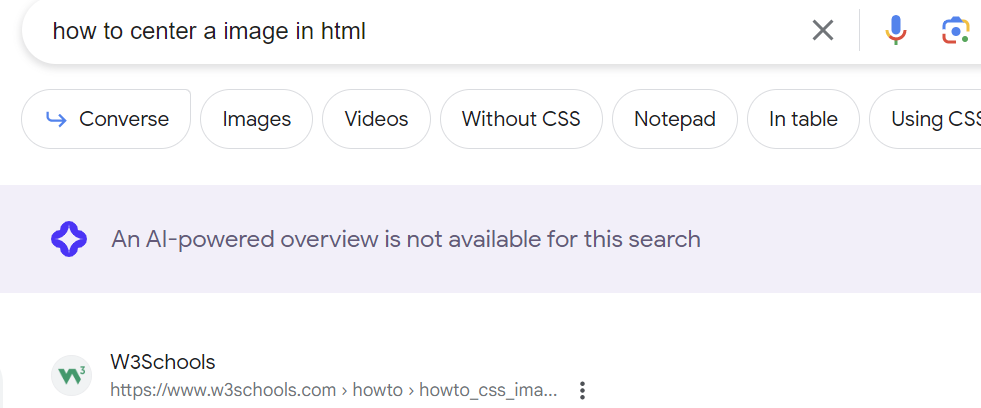
It’s unclear whether Google will improve on this, but for now Google’s search results focus more on user intent and needs rather than on specific search keywords, and they give short answers, which is quite different from ChatGPT’s long-winded responses.
H. Building content pages modeled on SGE could drive more traffic
Independent store sellers can mimic SGE’s format by aggregating information on a single landing page (in fact, many seem to be doing this already). Including the following would help: videos, product details, product reviews, specifications, and a short buying guide that links out to relevant blog posts or landing pages.
J. Write attention-grabbing titles
The titles and descriptions shown in SGE are very short, sometimes only 4 to 5 words. For our future content, being able to hook potential readers within the first five words may be the key to improving click-through rates.
K. Long-tail keywords may be heavily affected
For all kinds of long-tail keywords, or niche topics, LLMs may be able to answer very well, even better than human-written articles. I’m keeping a close eye on this…
4. Other Fun SGE Discoveries
A. Where do SGE’s colors come from?
I spent some time playing with Material Design, so I recognized it immediately: this is Google’s Material You design system. The colors are very pleasing; personally I think it’s the best-looking design on Android, and I highly recommend using its color schemes as a reference.
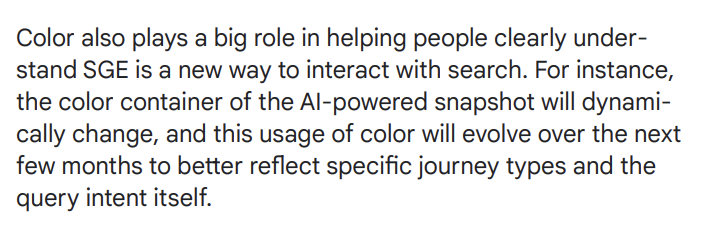
Google also explains where the colors come from on page 10 of its SGE document:
In short:
- Color also plays an important role in helping people clearly understand that SGE is a new way to interact with Search. For example, the color of the container for the AI-powered snapshot will change dynamically, and over the coming months the use of color will evolve to better reflect specific journey types and the query intent itself.
I think that’s pretty cool!

B. SGE isn’t personalized
From my limited observation, everyone sees the same SGE results for the same search.
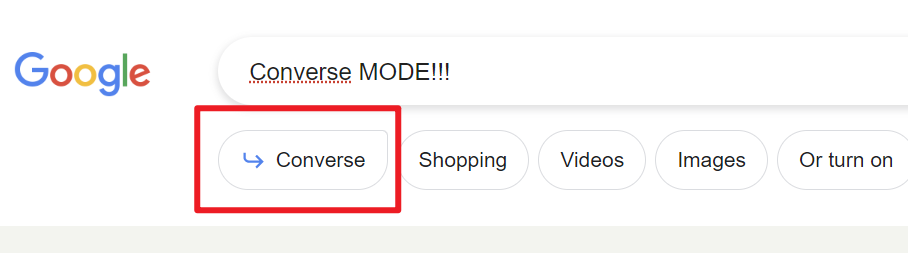
C. Converse Mode may be Google’s next form
This is the conversational mode mentioned above, and I personally love it.
Final Thoughts
We all know the future of large models has already arrived. For Google, SGE is about staying on top in the next competitive cycle.
For SEO, there’s good and bad right now. Some niche sites that used AI well have performed extremely well over the past two months, while for those who don’t use it properly, it may even backfire. I hope this exploration of SGE gives you some ideas. Since I’ve only had a short time with it, I’ll keep posting as new information comes out.
I’ve also downloaded Google’s official SGE document and a machine-translated version. If you’d like them, reply “SGE” on my WeChat Official Account or add me on WeChat (ID: LinusSEO). I regularly post the latest Google SEO news on my WeChat Moments. Feel free to get in touch!

I Tested Google SGE for 3 Days. Is SEO Really Dead?